Setting the Stage: A Strong Start for CONMAT at FH Campus Wien
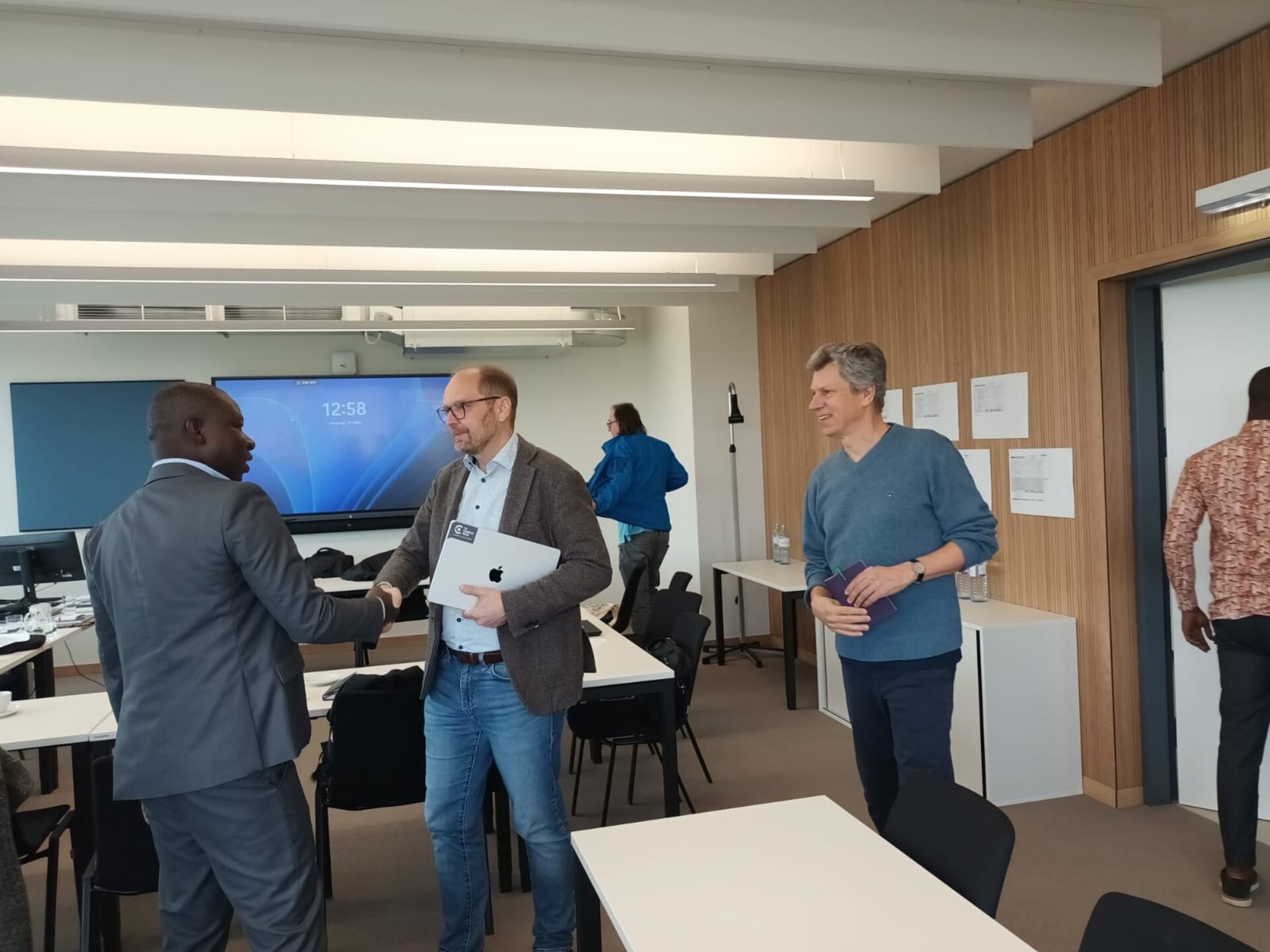
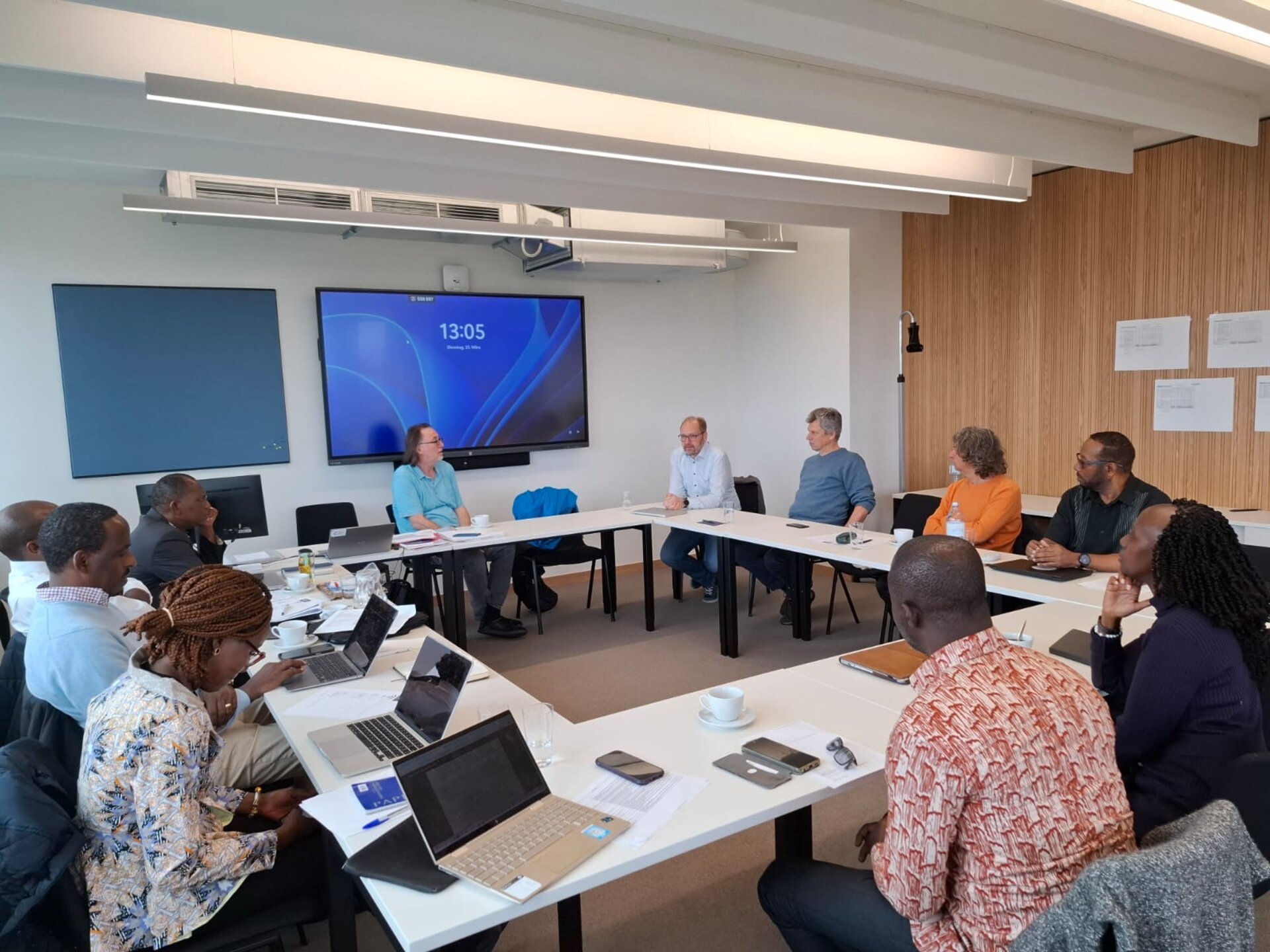
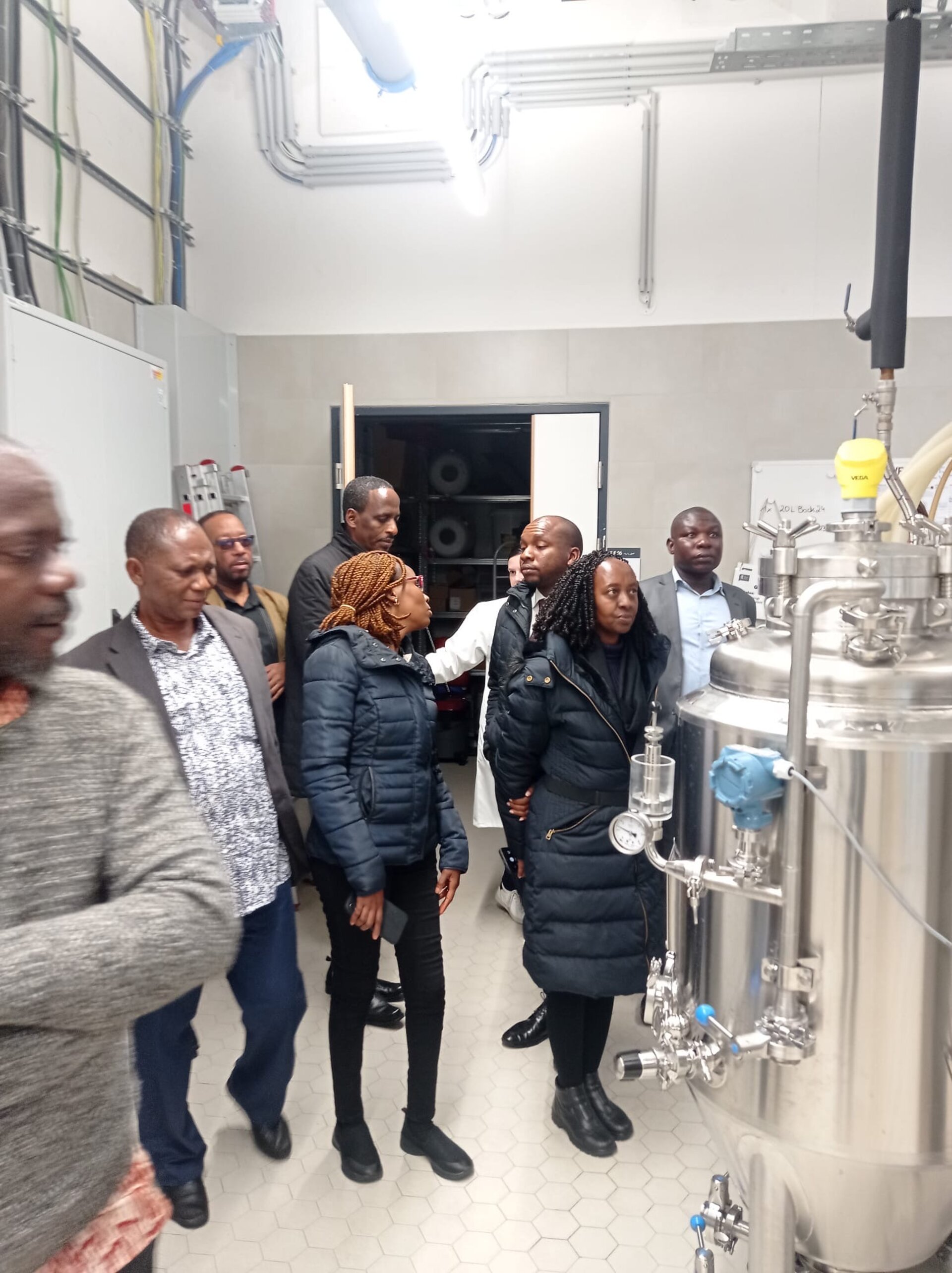
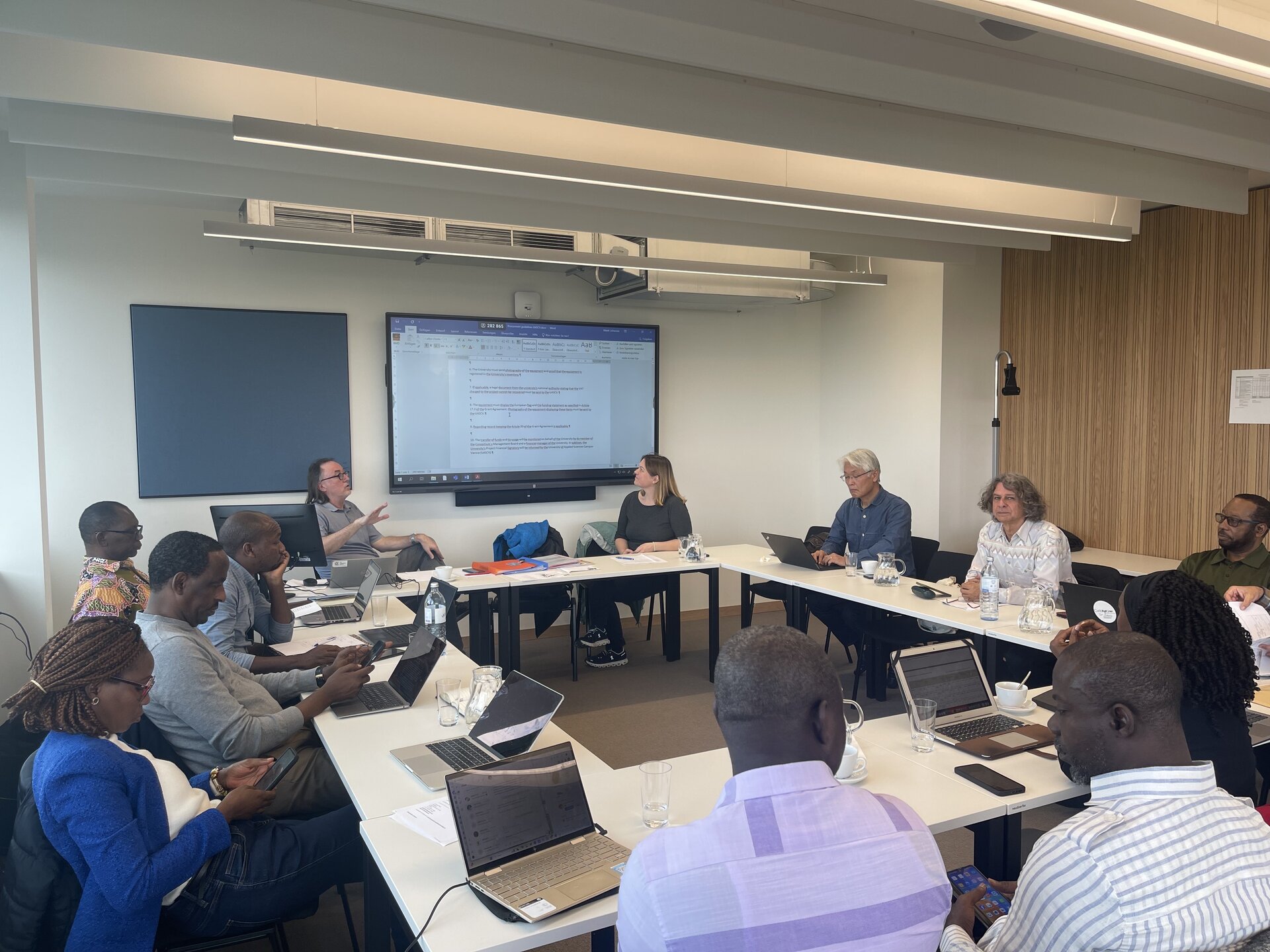
The kickoff meeting of the Capacity Building Project in Conflict Management and Transformation Studies (CONMAT) was successfully held in Vienna at FH Campus Wien. The week-long event gathered project stakeholders from Austria, Ghana, Rwanda and Spain, setting a solid foundation for the academic, institutional, and pedagogical goals of the project while engaging with the project’s overall objective.
The meeting opened with a high-level welcome from FH Campus Wien’s leadership, including Academic Director and Rector Heimo Sandtner, Deputy Academic Director and Vice-Rector Evelyn Süss-Stepancik (Academic and International Affairs), Vice-Rector Elisabeth Haslinger-Baumann (Research and Development), project leader Prof. Dr. Johannes Maerk, and Dr. Petra Bernhardt from the Department of Administration, Economics, Security, and Politics, and key project team members from Ghana, Rwanda and Spain. Also in attendance were diplomatic representatives, including Mr. Paul Kwabena Nana Sei Osei, Deputy Head of Mission of the Embassy of Ghana (representing Ambassador Matilda Alomatu Osei-Agyeman) alongside the International Contact Point for Erasmus+ Higher Education at OeAD-GmbH – Agentur für Bildung und Internationalisierung, Mrs. Martin Friedrich.
Innovating Teaching for Conflict Transformation: Spotlight on Online Pedagogies
In addition to sessions focused on the meeting schedule, financial arrangements, and overall project management, the meeting also featured two important sessions dedicated to online pedagogies:
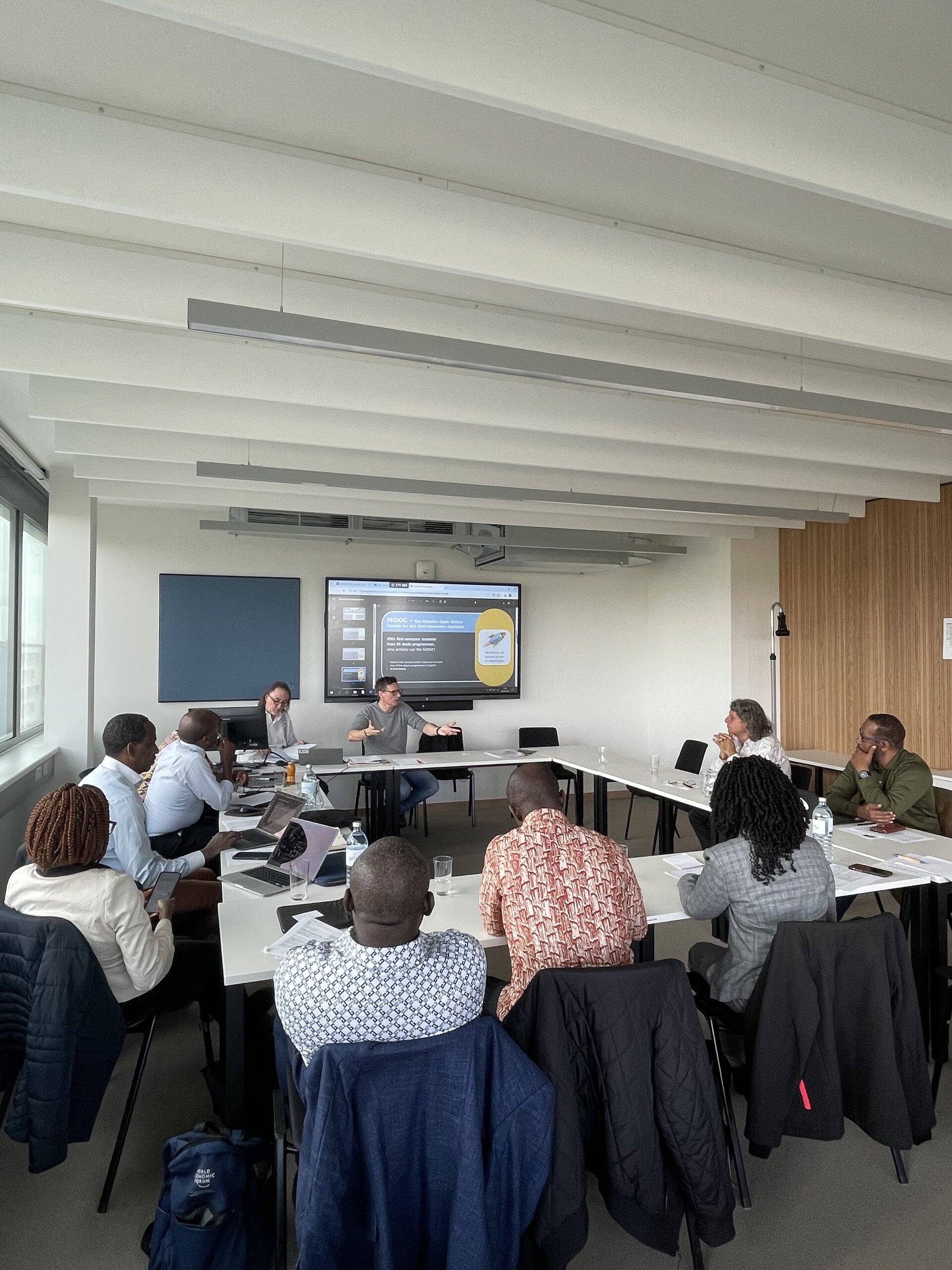
A comprehensive presentation by Dr. Christopher Hanzl, Head of Teaching Support Center USACV, focusing on the university didactics certificate program and the technological innovations supported by the Teaching Support Center (TSC). The program is structured to improve teaching quality through both introductory and advanced modules, peer-to-peer exchange, and a strong emphasis on educational research. Three flagship workshops were introduced: “Distance Learning in 12 Steps: The MacGyver Method,” “Miro – the Digital Whiteboard,” and “Testing and Checking with Moodle.” Additionally, the institution's successful rollout of MOOCs (Massive Open Online Courses) for first-semester students was presented, highlighting themes such as onboarding, student guidelines, AI integration, and academic best practices in e-learning.
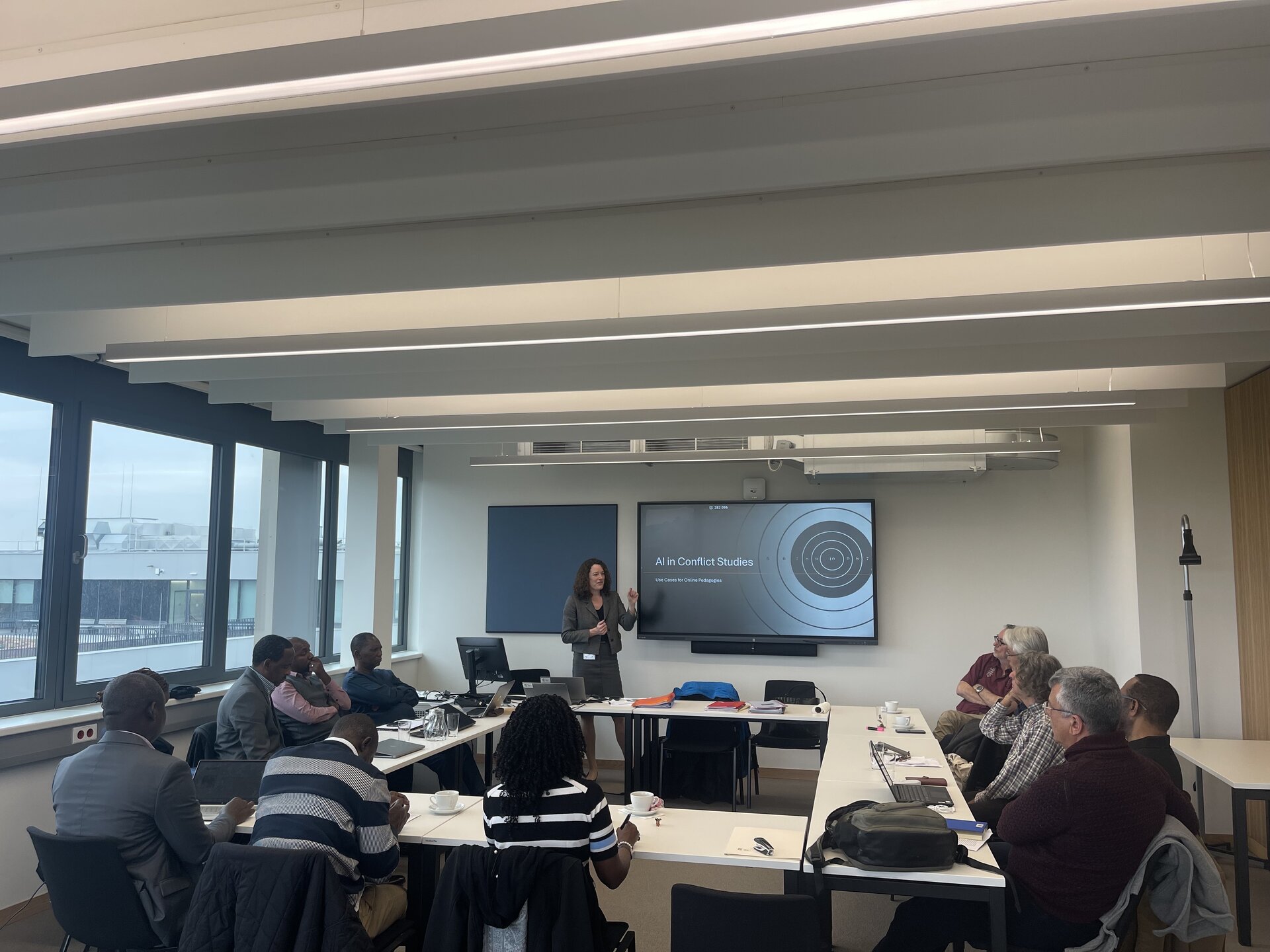
Another insightful presentation was presented by Dr. Petra Bernhardt from the Department of Administration, Economics, Security, and Politics at UASCV. Her presentation explored the applications of Artificial Intelligence (AI) in higher education, particularly in enhancing online pedagogy for conflict studies. The abstract introduced AI’s potential to personalize learning, foster cross-language communication, and simulate conflict resolution scenarios—tools particularly relevant to the project's thematic focus. Key AI use cases discussed included the optimization of virtual classrooms through adaptive learning management systems, AI-driven collaborative learning environments, and enhanced doctoral supervision via writing assistants and literature search tools. The session also touched on how AI can advance the internationalization agenda through tools such as automatic translation and virtual reality.
AI and IoT Collaboration with Ghana
Prof. Dipl.-Ing. Heimo Hirner, Head of the AI, Software and Safety Research Center at FH Campus Wien, and Dr. Henrik Schulz, Researcher, were also in attendance. They shared insights from their visit to the University of Ghana’s Department of Computer Science in January 2025, where they engaged with the main contact person, Prof. Isaac Wiafe. During their visit, they conducted workshops focused on AI speech processing and the Internet of Things (IoT). They also identified promising starting points for future collaboration, particularly in the areas of IoT applications—such as smart villages and environmental monitoring—and AI-driven local language processing.
Diplomatic and UN Perspectives: Strengthening Global Partnerships
The kickoff meeting was honored by the attendance of Mr. Wolfgang Poppe, Head of Mission and Honorary Consul for Rwanda in Vienna, who praised the initiative and its potential for long-term impact. Mr. Billy Batware, Programme Officer at the United Nations Office on Drugs and Crime (UNODC), also shared perspectives on conflict management in Africa, enriching the discussion with a UN lens on regional challenges and approaches to peacebuilding.
Charting the Path Forward
The kickoff week concluded with a renewed sense of commitment among the consortium members. The sessions highlighted the importance of innovative pedagogy, digital transformation, and responsible research collaboration in building capacity in conflict transformation studies. The dialogue laid strong groundwork for mutual learning, co-creation of content, and long-term academic cooperation. The CONMAT project now moves into its implementation phase with a shared vision and clearly defined goals. With strong institutional support and enthusiastic engagement from all consortium members, the CONMAT project is well-positioned to make a lasting contribution to higher education.