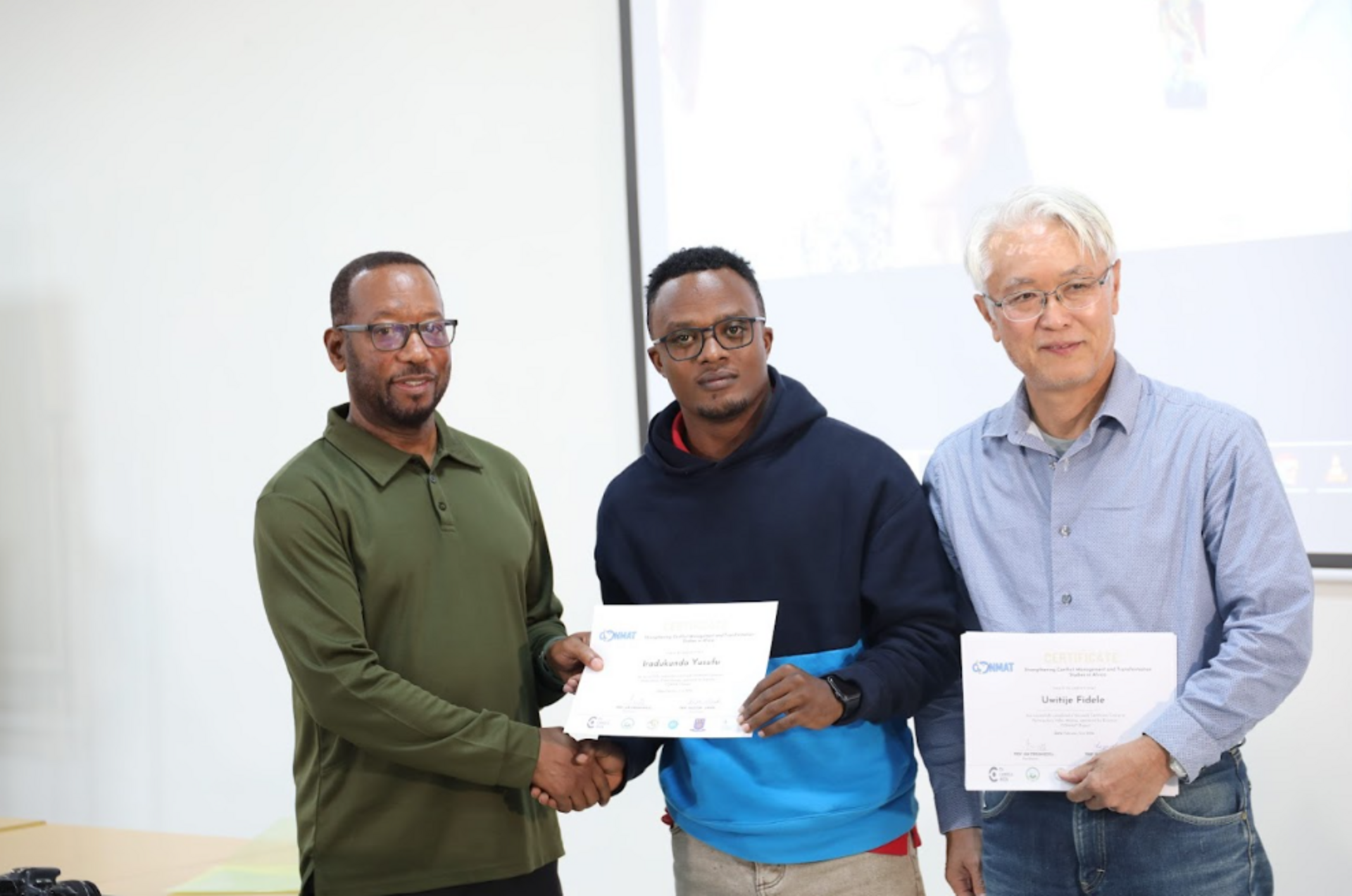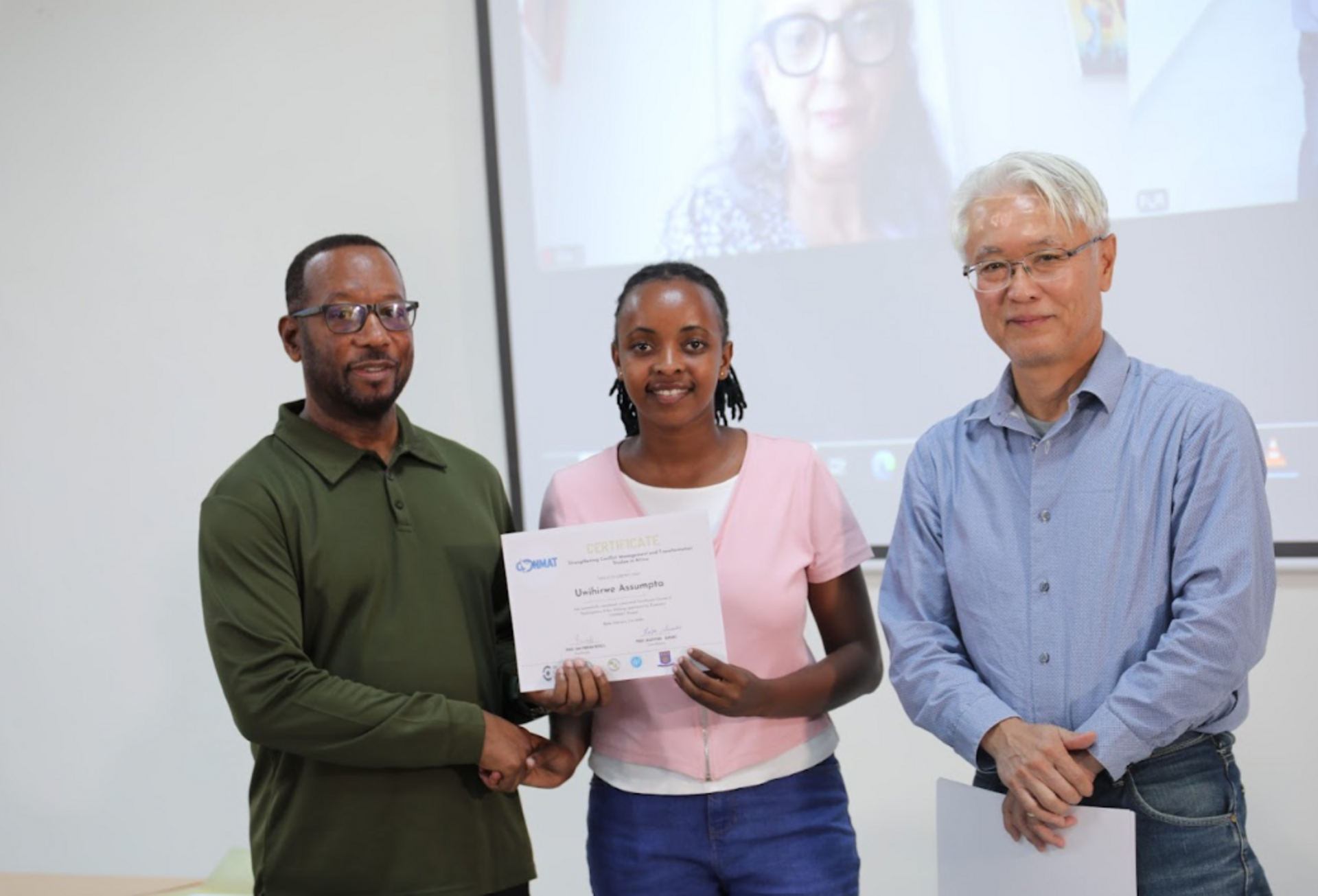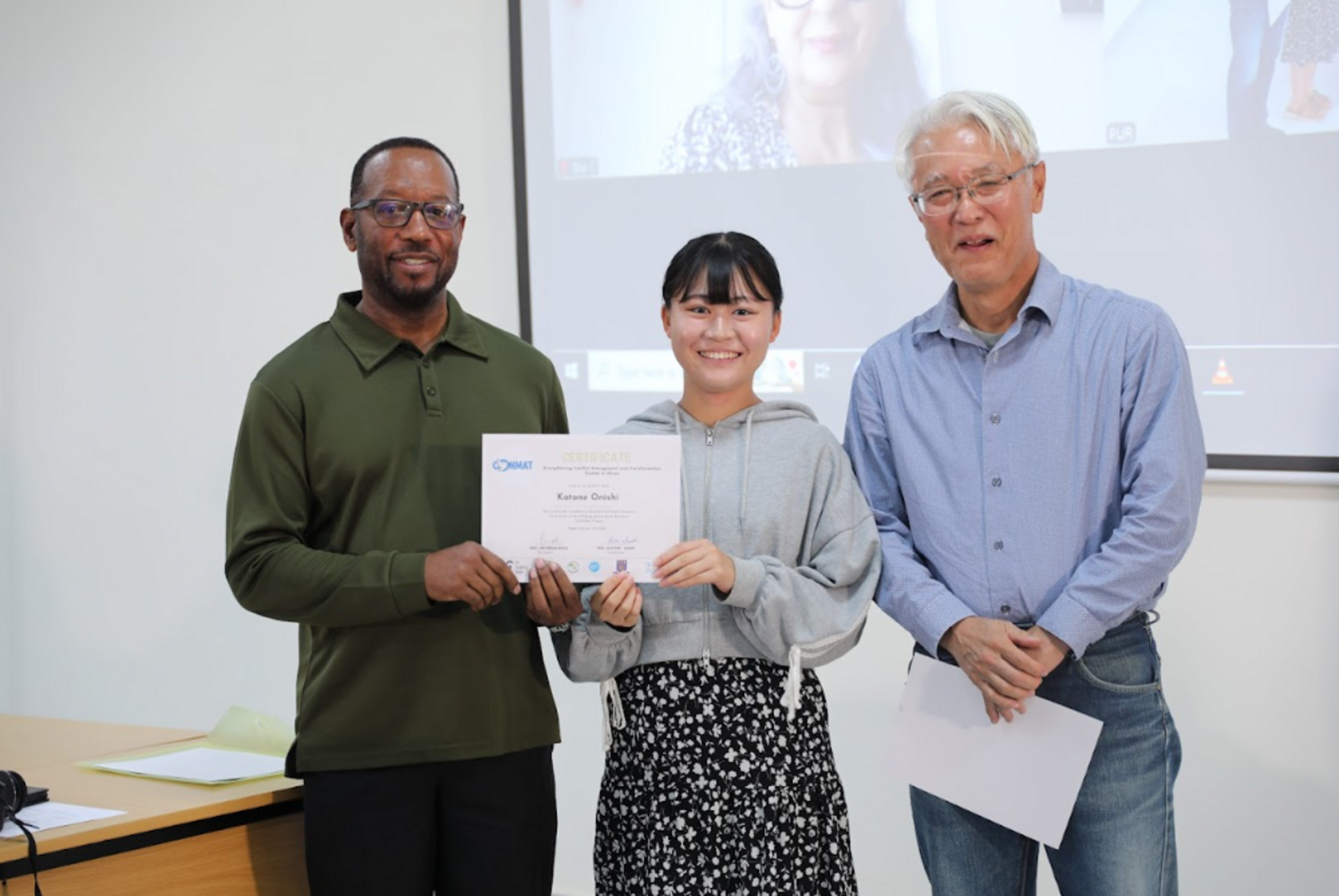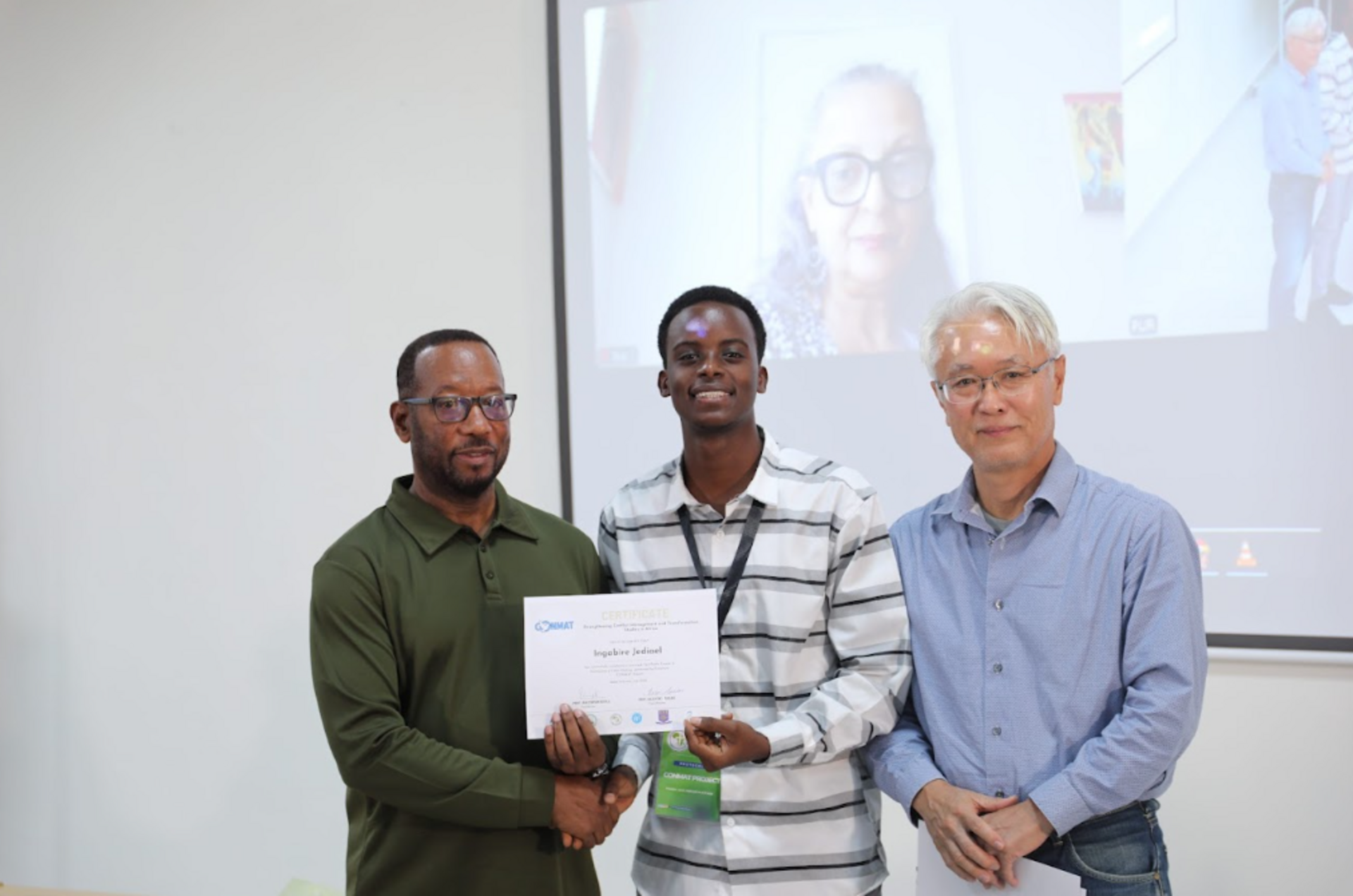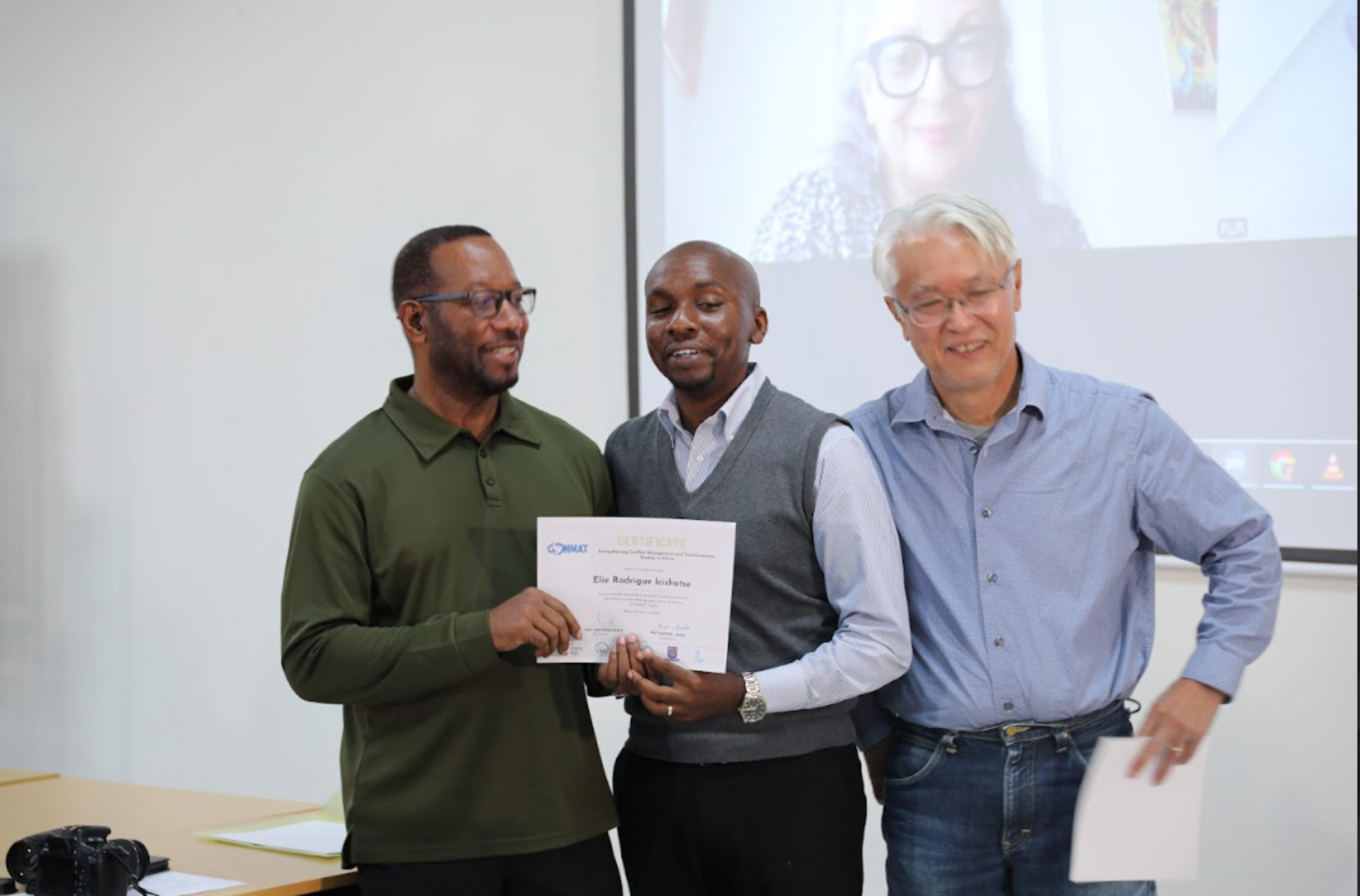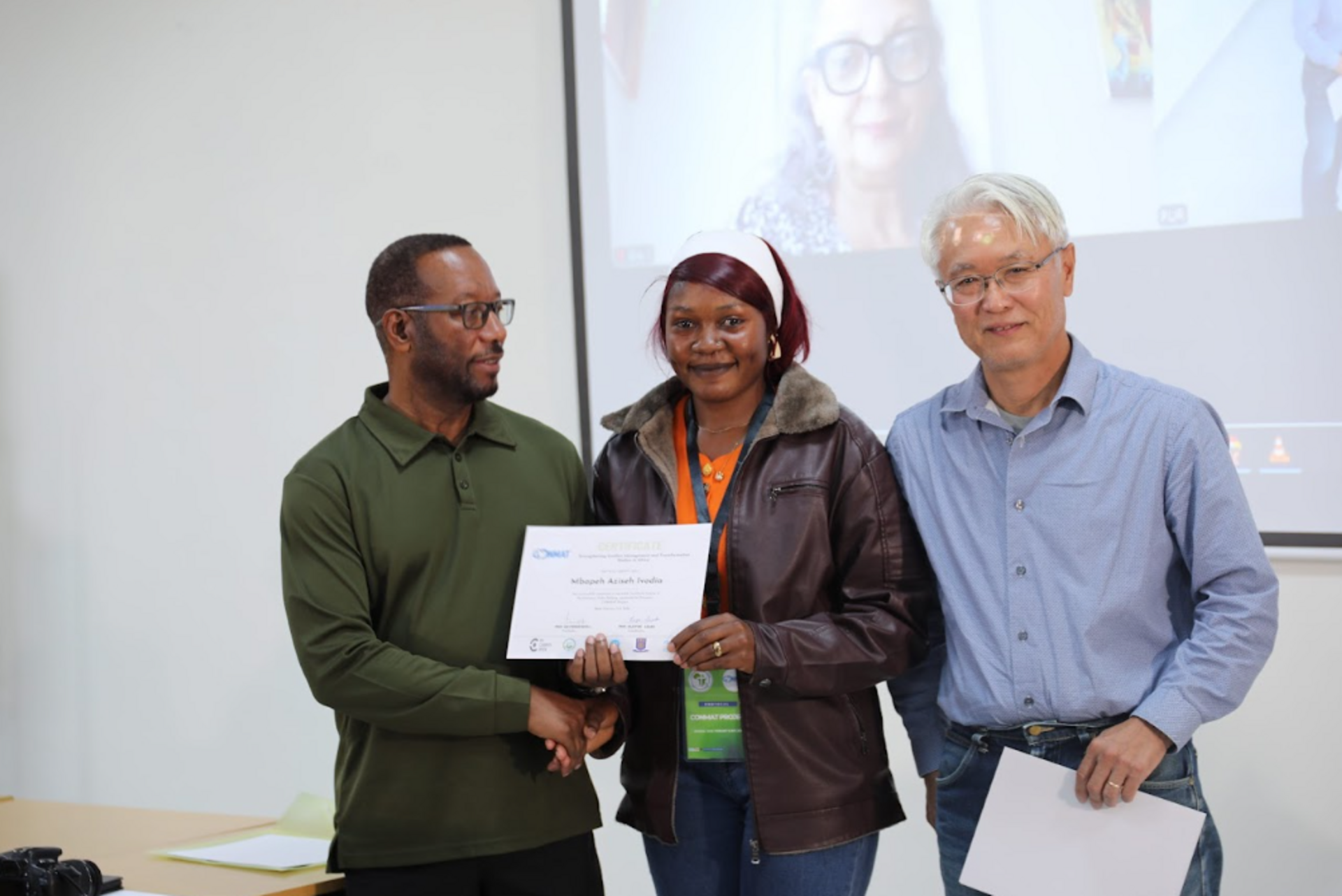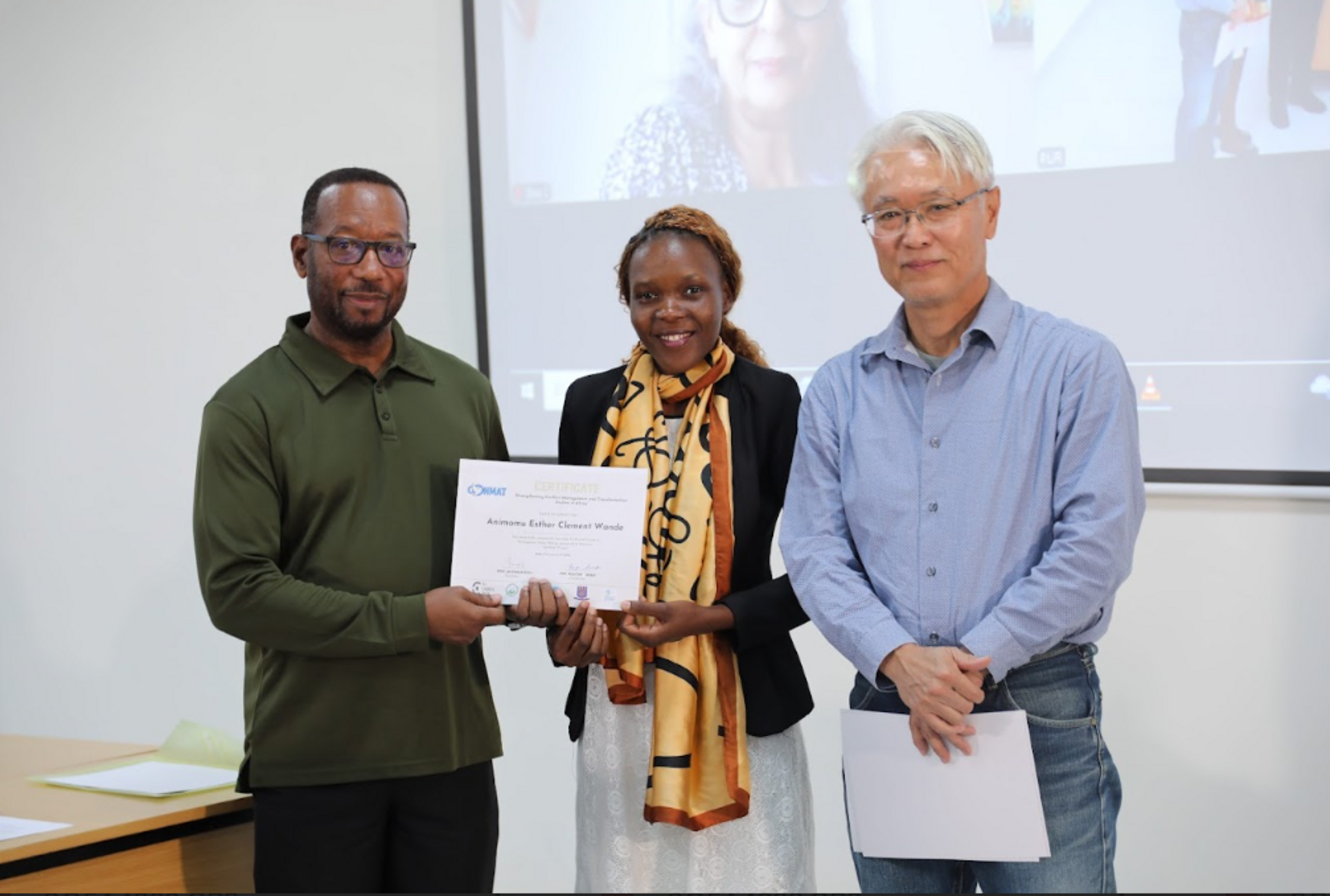
CONMAT Participatory Video Training Conducted at PUR, Huye, Rwanda| February 3rd - 14th, 2026
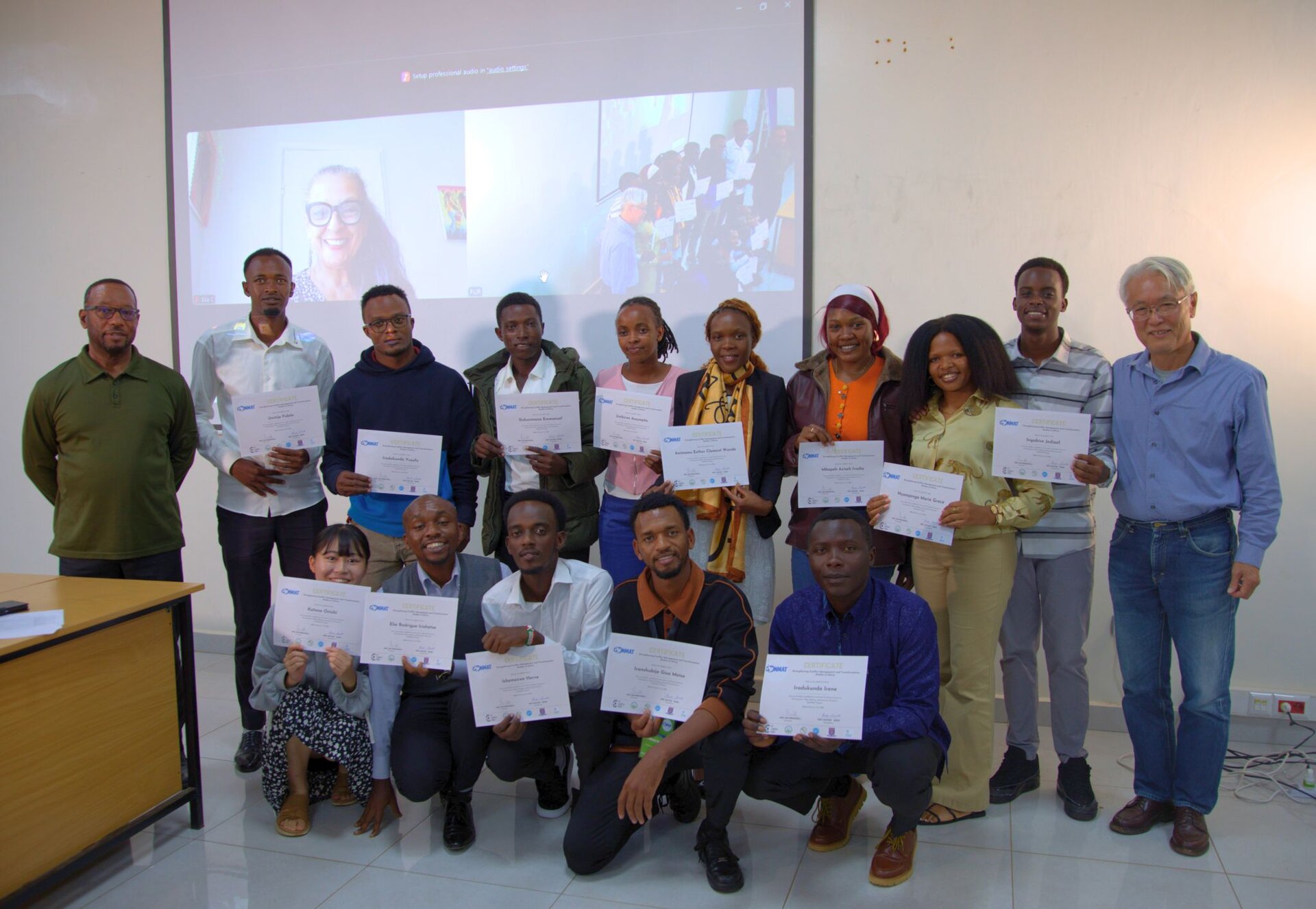
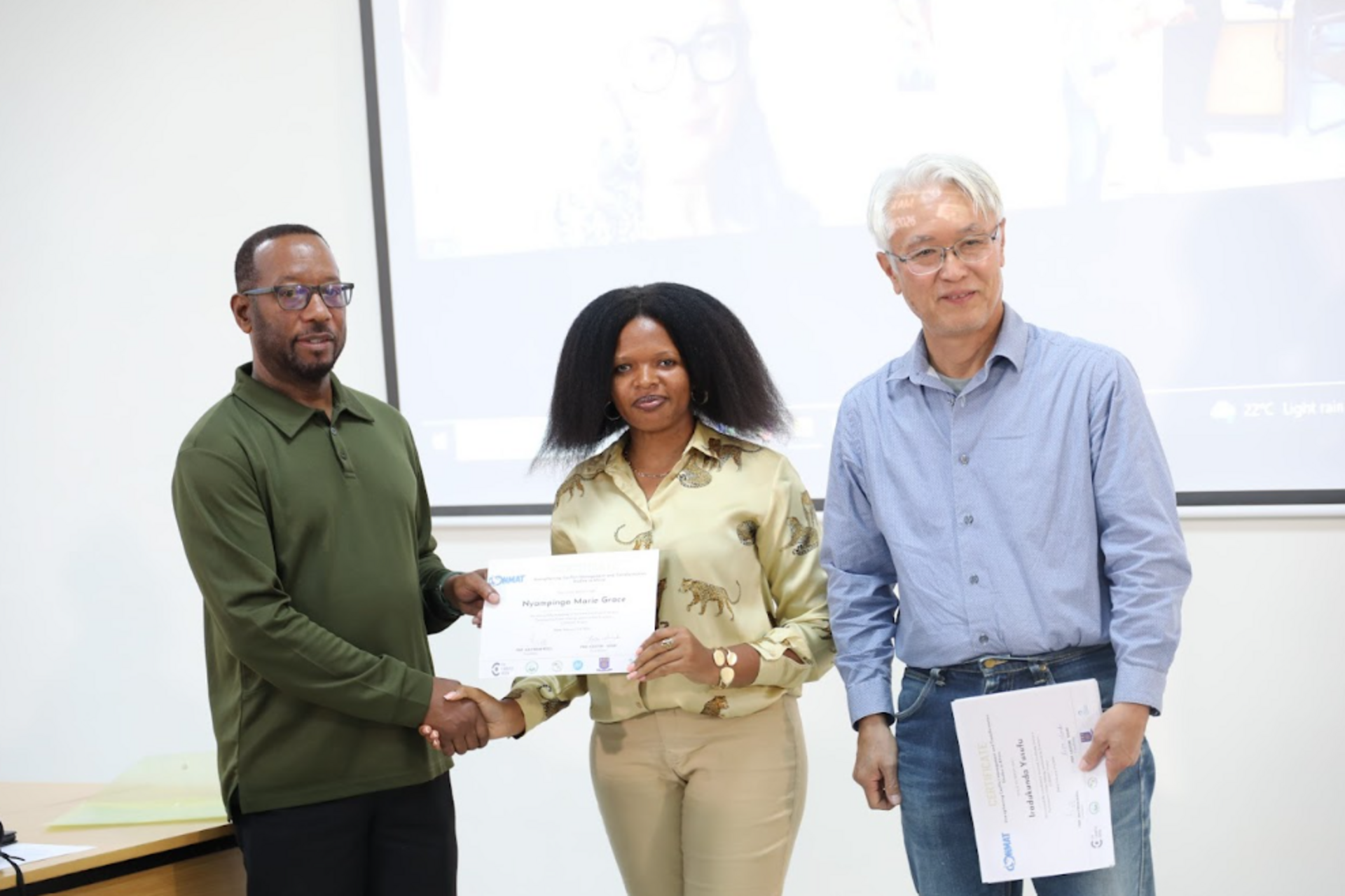
From 3 to 14 February 2026, the Protestant University of Rwanda (PUR) organised an intensive certificate course on Participatory Video (PV) Making at its Huye campus. The training was implemented within the framework of the CONMAT Project, an Erasmus+ Programme Capacity Building in Higher Education initiative co-funded by the European Union.
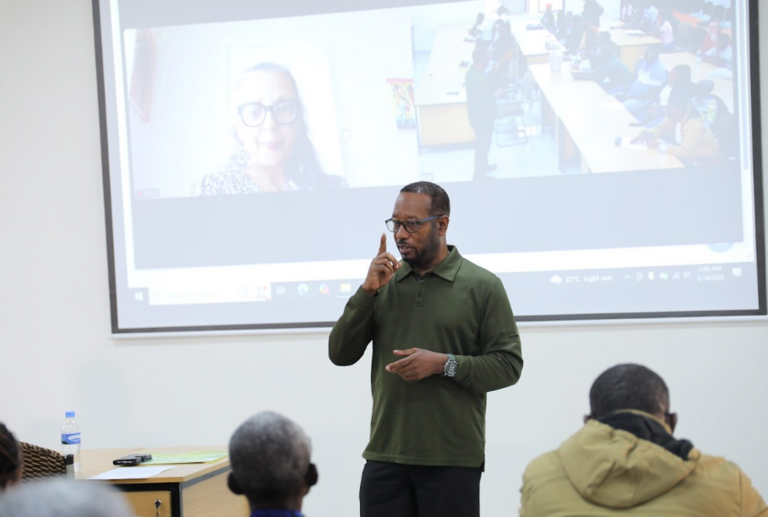
The course lasted twelve days and consisted of four academic hours of instruction per day, combining theoretical learning with practical fieldwork. It was facilitated by Ian Boxill, Professor at the University of the West Indies and adjunct professor at the University of Business and Integrated Development Studies, a partner institution in the CONMAT project. The training also included the contribution of filmmaker Eka Campbell, who joined the sessions virtually from the United Kingdom and provided guidance on filmmaking techniques and editing.
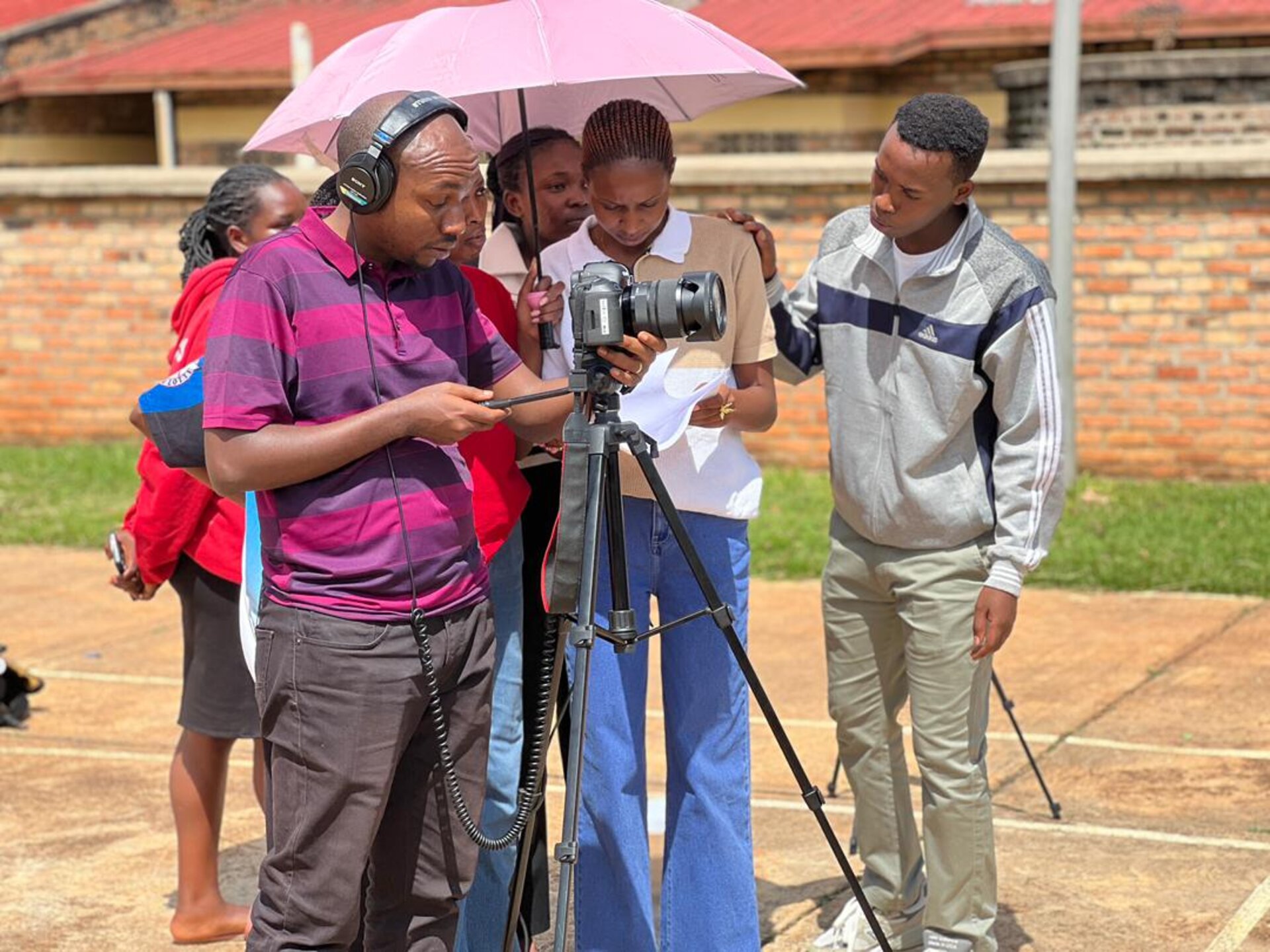
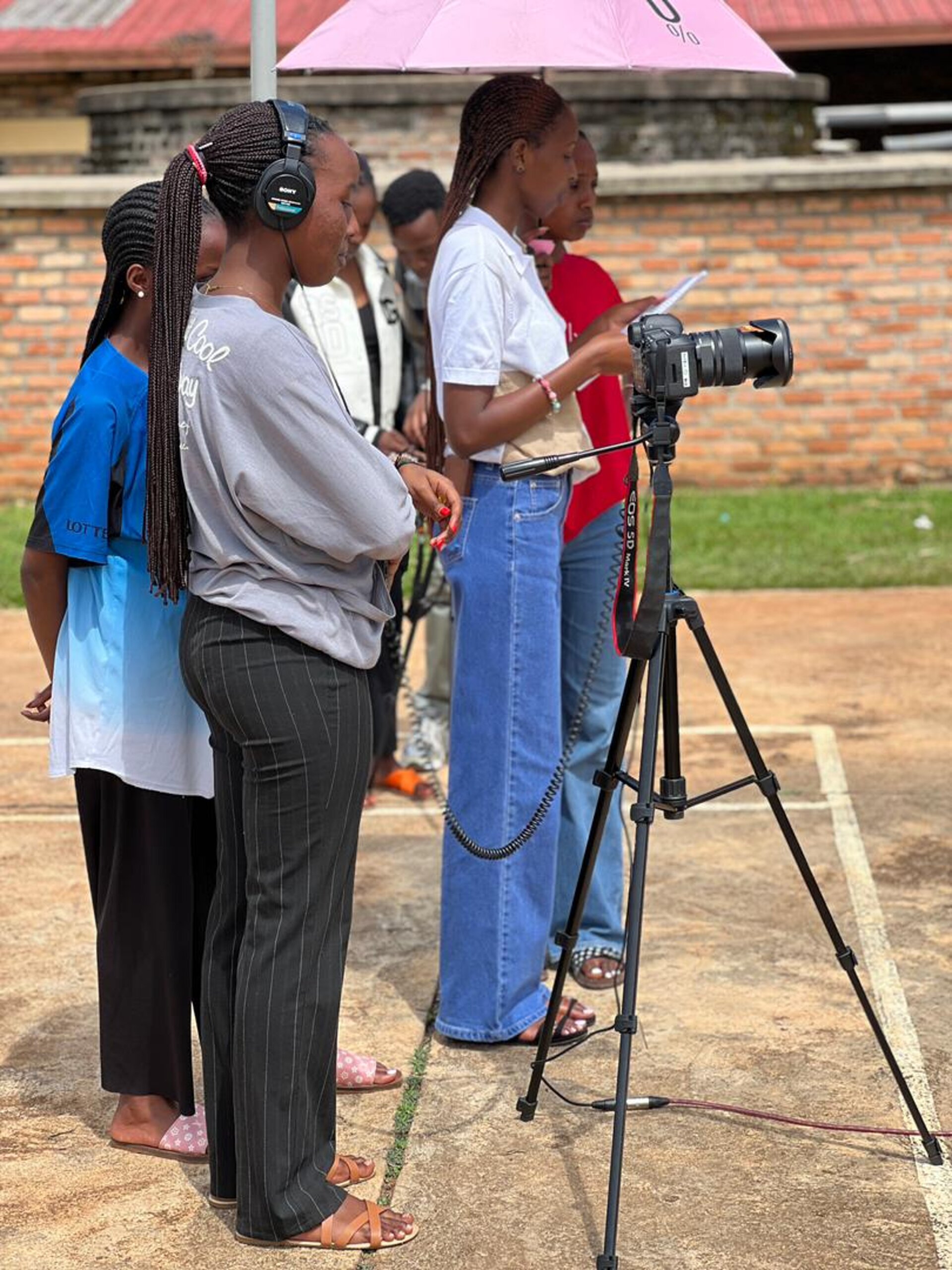
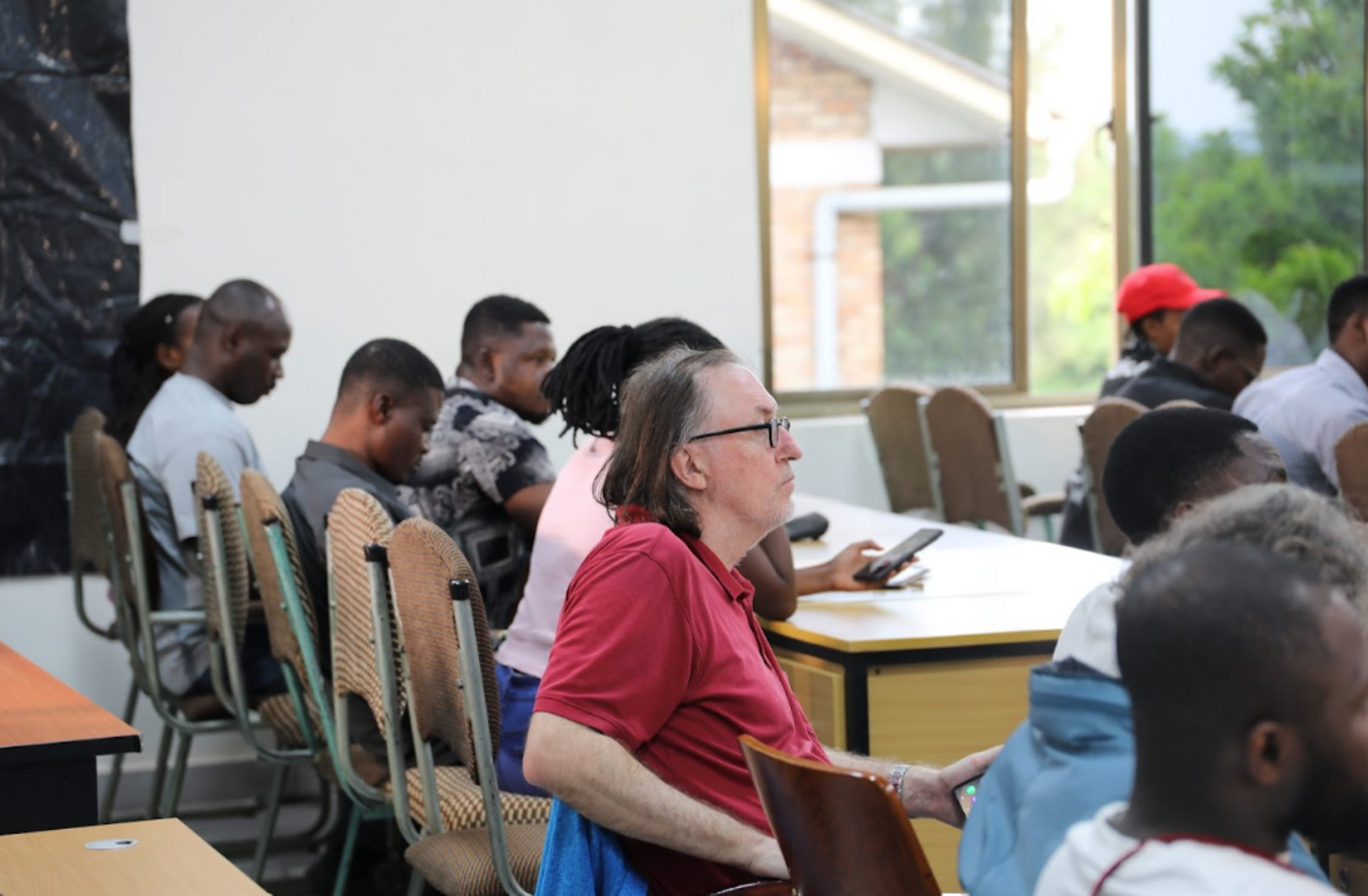
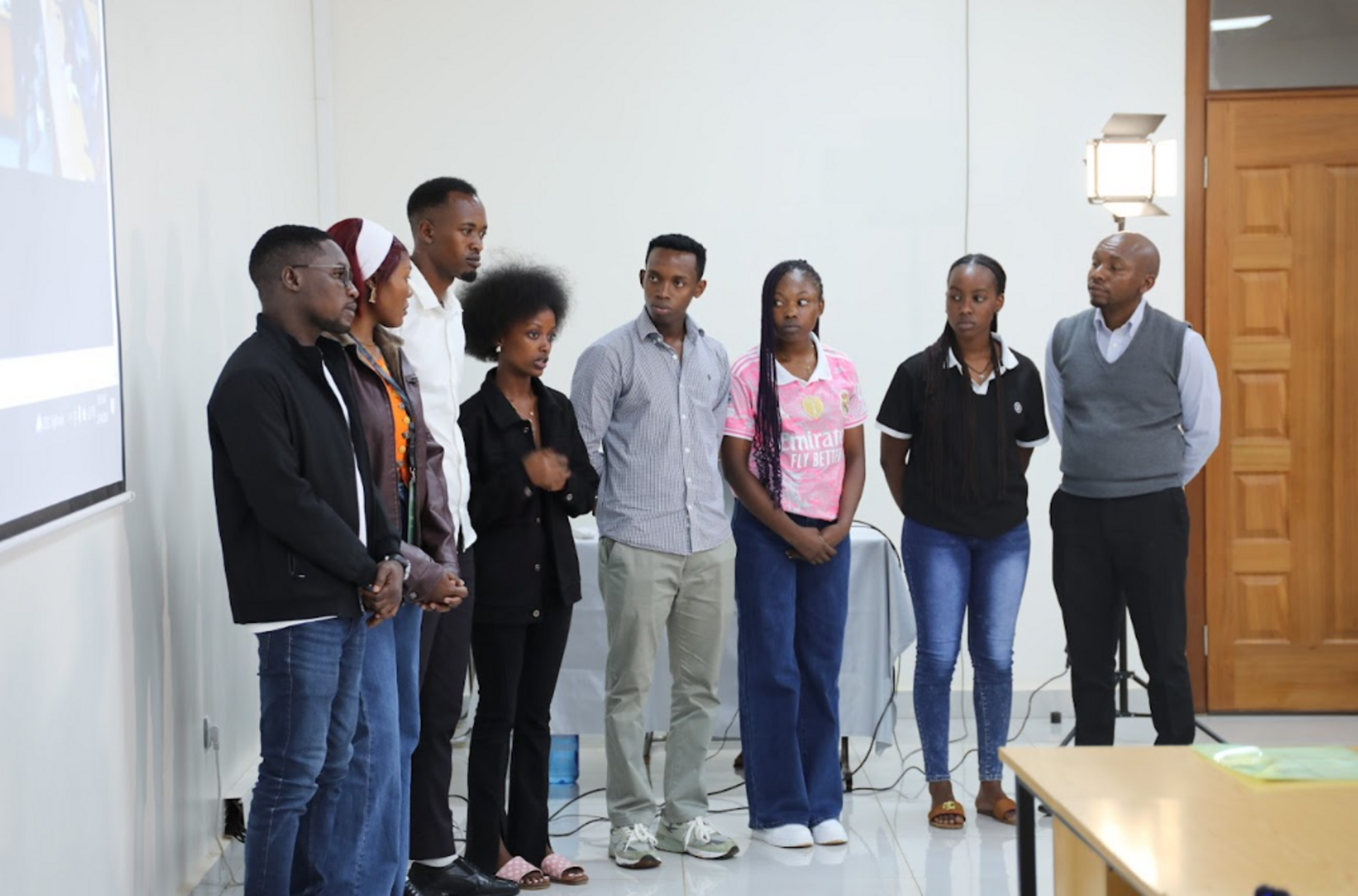
Participants in the training included two technical staff members, one academic staff member, and fifteen students, among them volunteers from the university’s media team. Several participants already had experience with traditional filmmaking, which contributed positively to the practical sessions. One of the participants, Irenee Iradukunda, a final-year student and independent filmmaker, provided additional support to the facilitators during the hands-on activities, particularly during filming and editing exercises.
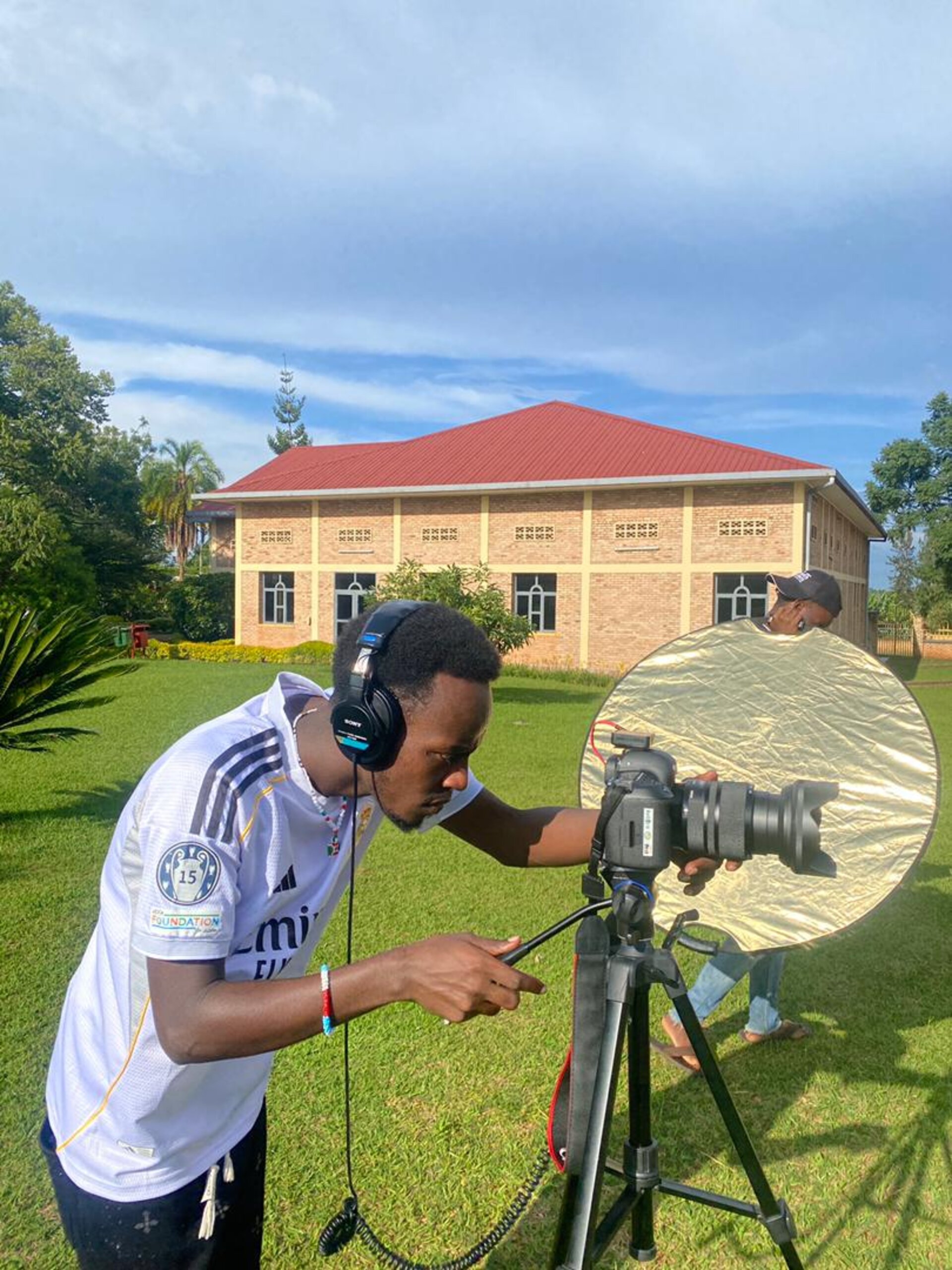
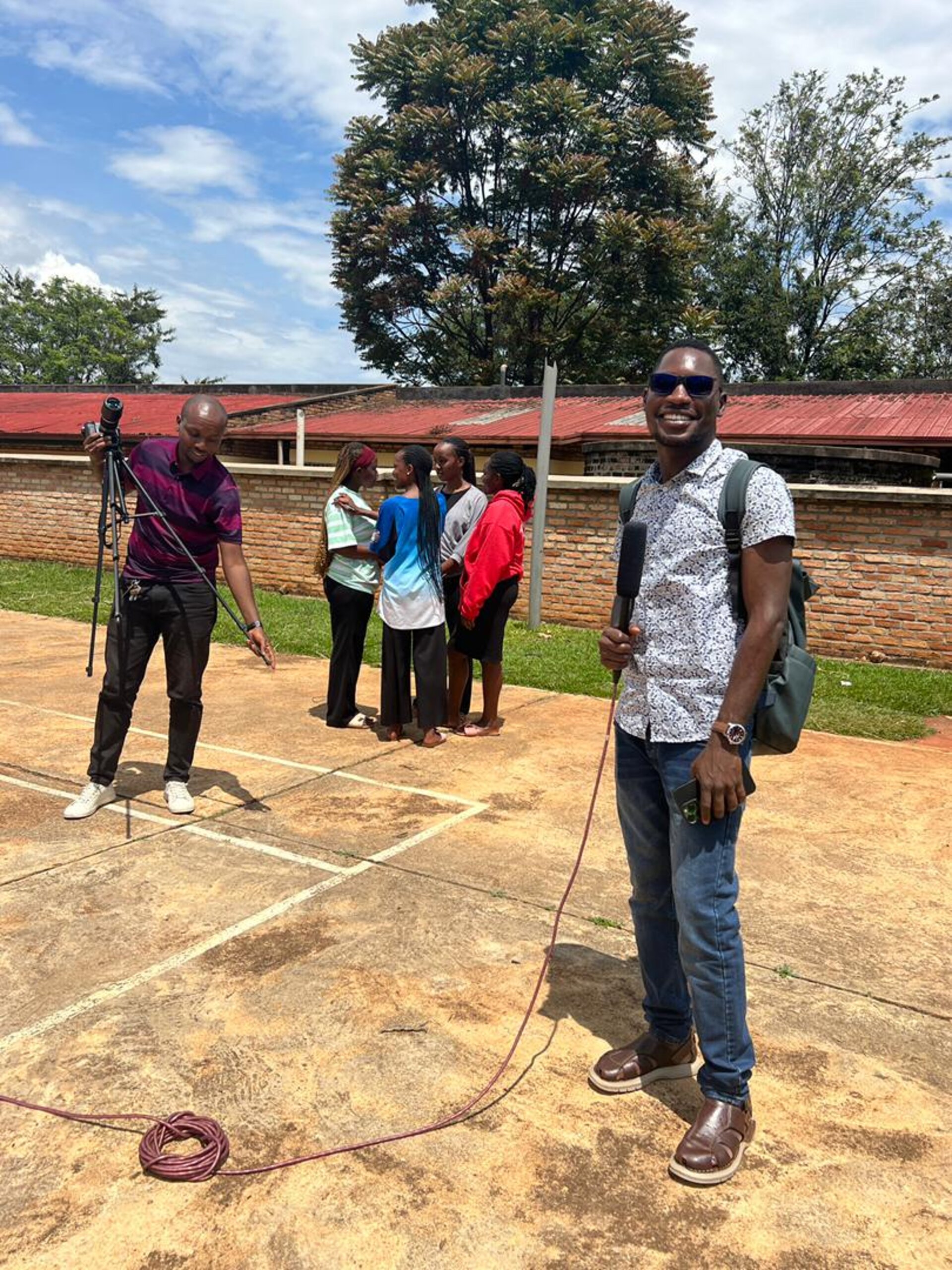
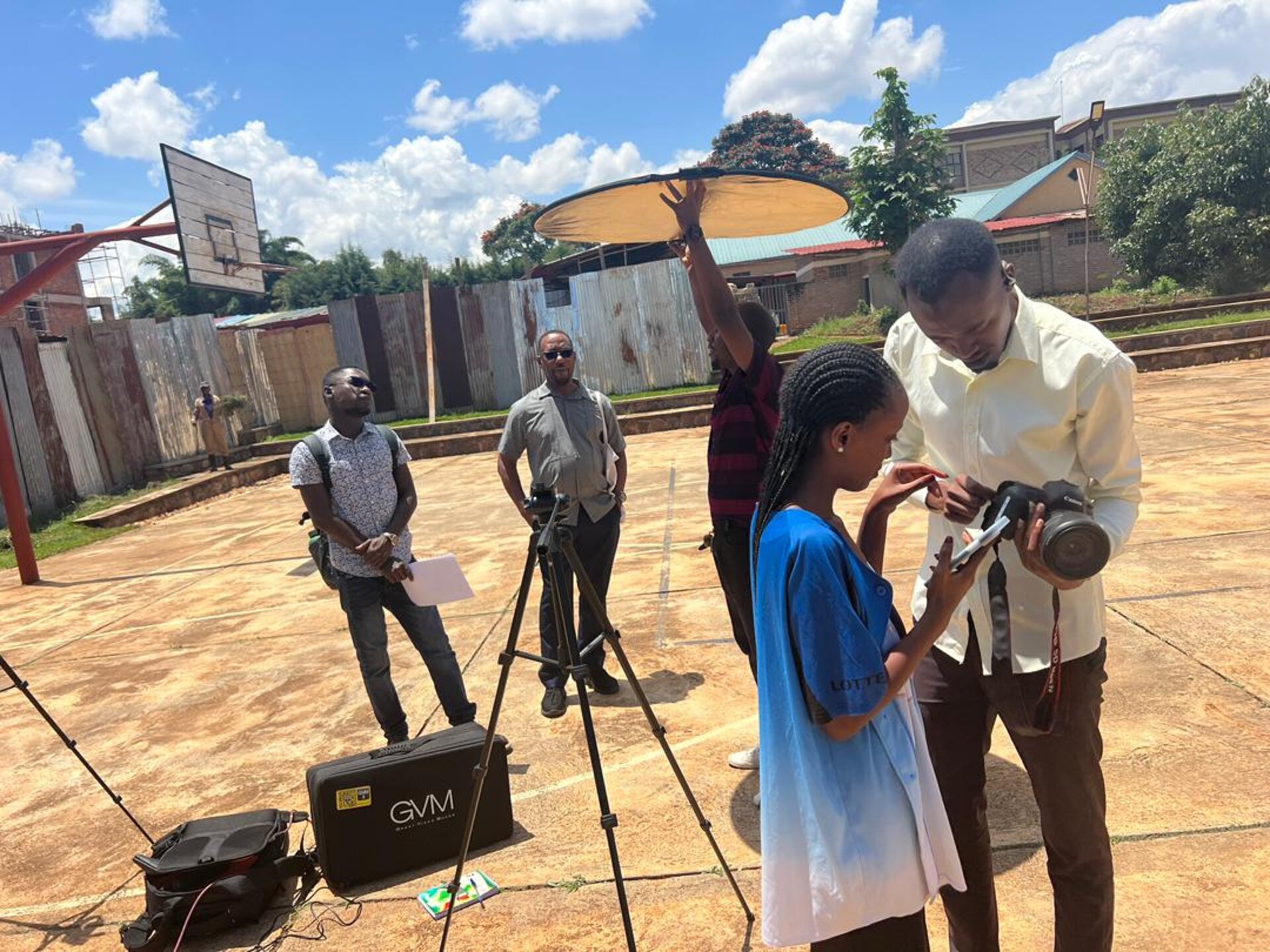
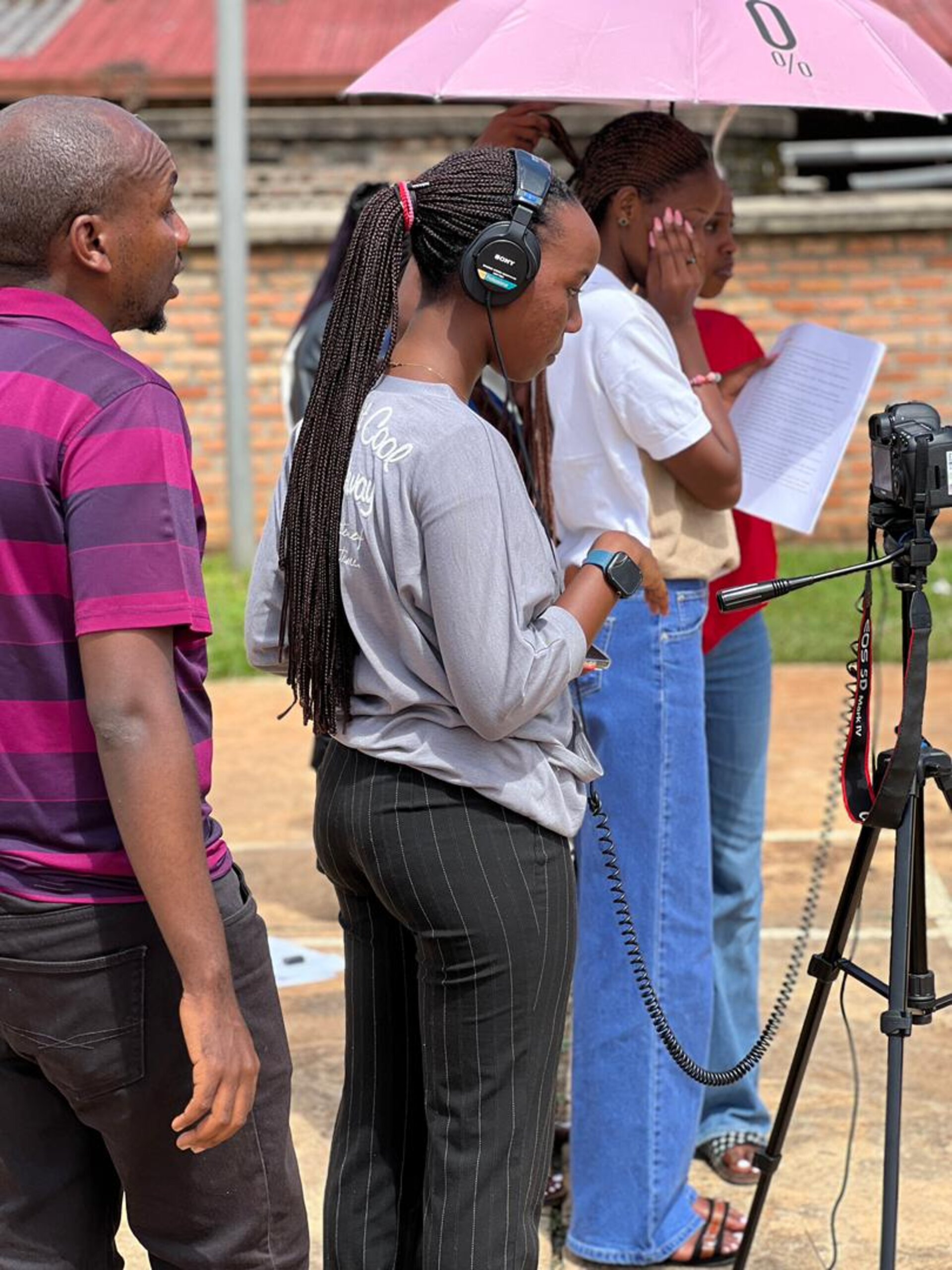
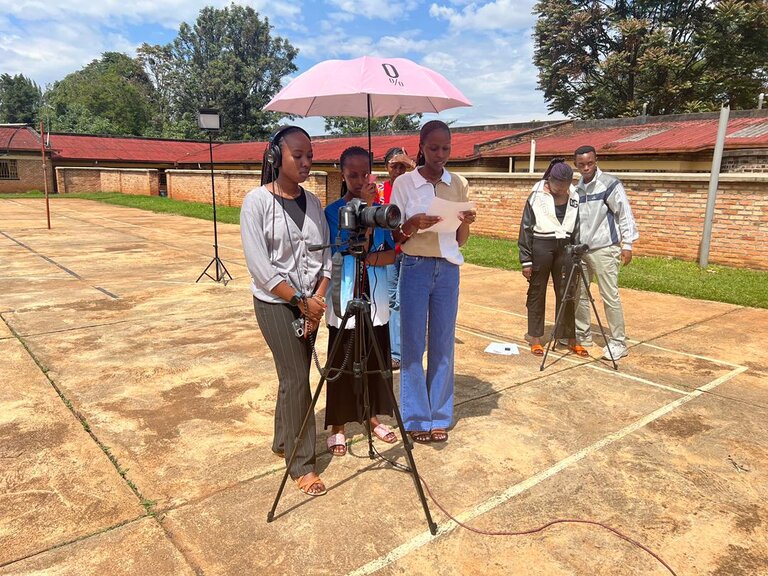
The course introduced participants to the concepts and methods of participatory video, a filmmaking approach that directly involves communities in documenting and reflecting on issues that affect their lives. The theoretical component covered topics such as the principles of participatory video, participatory planning, ethical storytelling, consent-based filming, filming techniques, and the differences between participatory and traditional script writing. The sessions also addressed the role of community screenings as platforms for dialogue and conflict resolution. These theoretical sessions were complemented by practical training on camera operation, composition, lighting, sound recording, field filming, storyboarding, and editing.
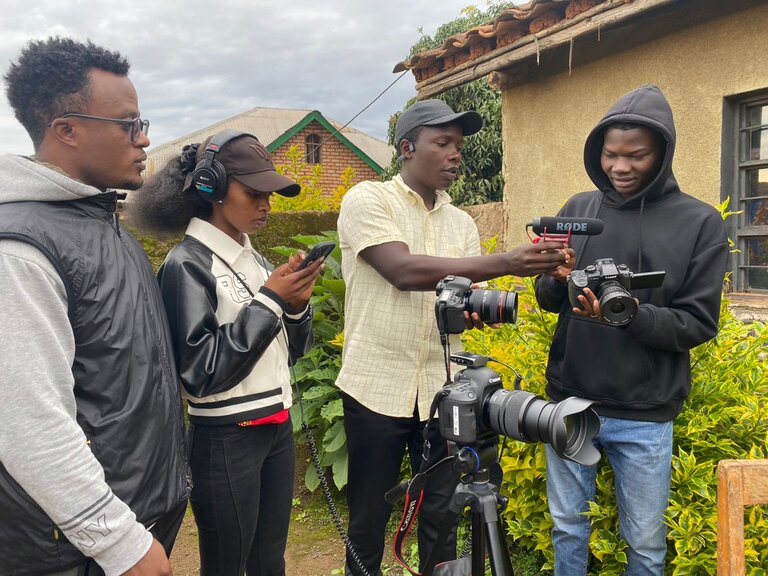
As part of the project, video conferencing and sound recording equipment was procured to support not only the PV training sessions but also the Capacity Building courses that were conducted immediately afterward. The equipment was intended to enhance the quality of training delivery, facilitate effective virtual engagement, and ensure proper documentation of learning activities.
A key outcome of the course was the production of three documentary films created by the participants. One of the films, titled Between Love and Law, was produced as a traditional documentary to allow comparison with participatory video approaches. The film portrays the daily life of a woman who sells fruits in the street, highlighting the challenges she faces due to the informal and often illegal nature of her activity, including confiscation of goods and detention.
The other two films were produced using participatory video methods. The documentary Between Walls focuses on the experiences of students living in university hostels at PUR, addressing issues such as overcrowding, hygiene challenges, and limited privacy while also highlighting positive aspects such as improved restaurant services, friendships among students, and the construction of new hostel facilities. The third film, Home Away from Home, explores the experiences of international students studying at PUR, particularly two female students from South Sudan and Japan, who share their experiences of cultural adjustment, homesickness, and building friendships in a multicultural academic environment.
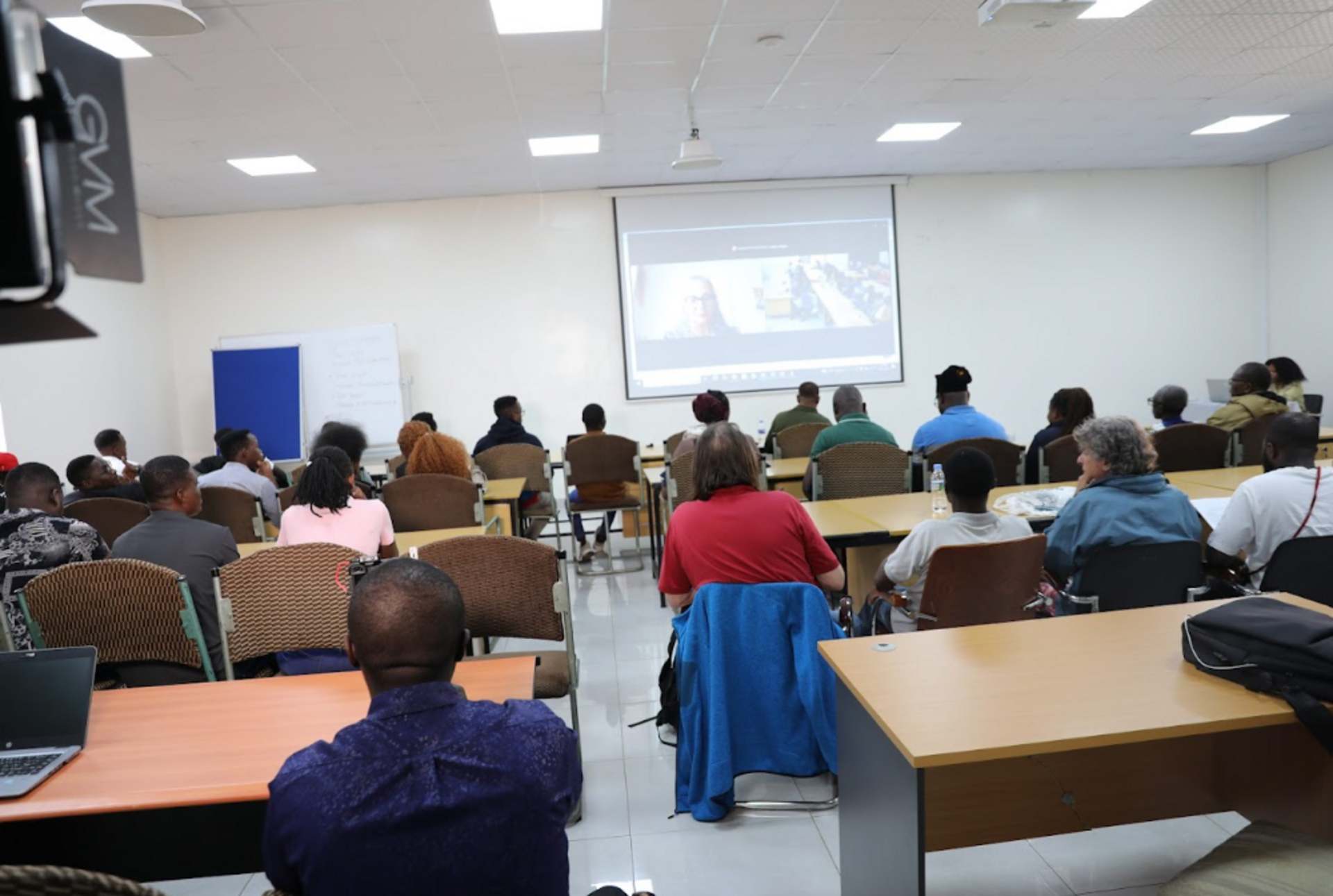
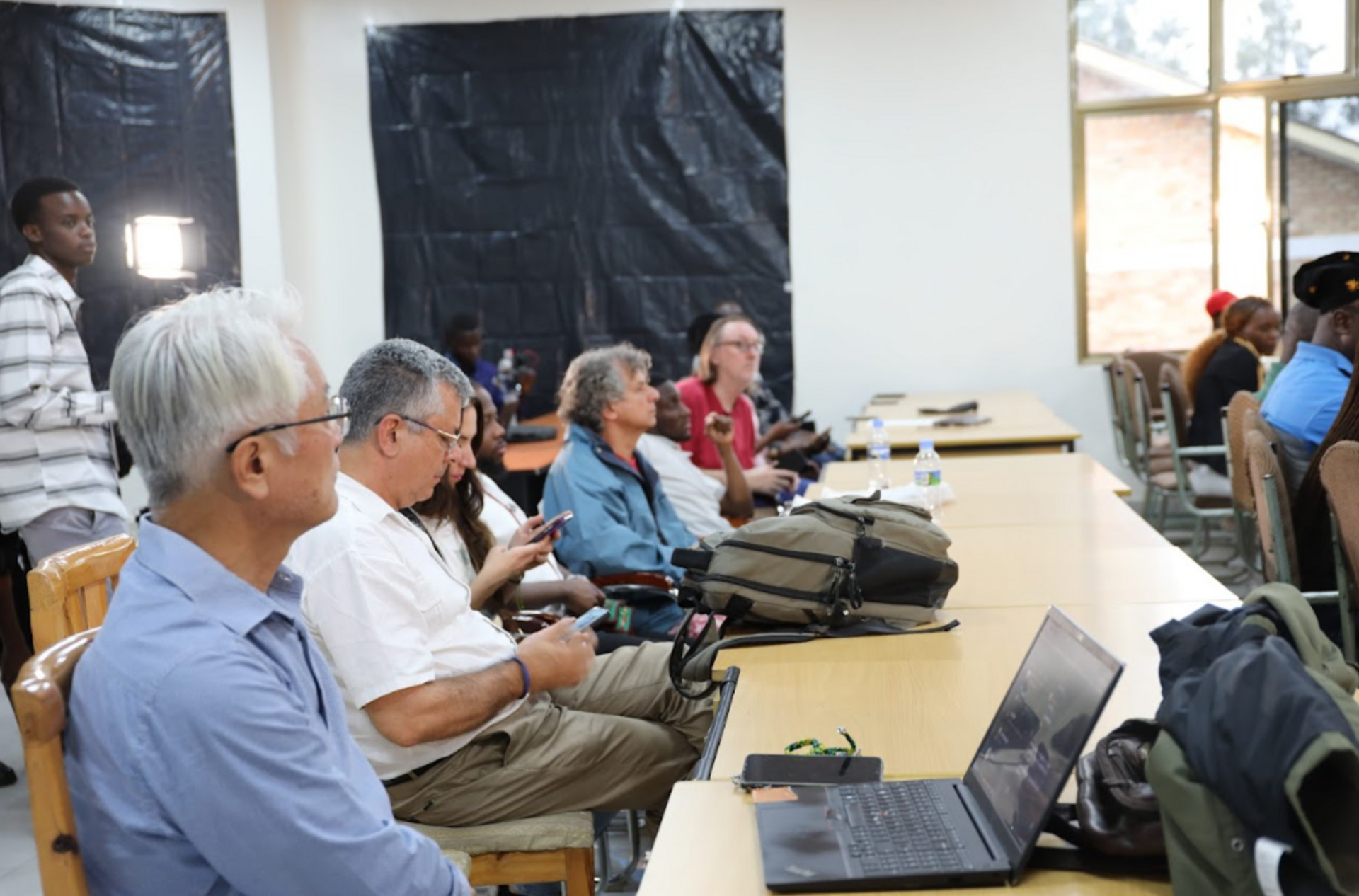
The three films were screened on the final day of the training in a large classroom equipped with video-conferencing facilities, including a camera, speaker-phones, a projector, and a screen acquired through EU funding provided under the CONMAT project. The screening was attended by more than fifty participants, including delegations from partner institutions involved in the project, the PUR Vice-Chancellor, university staff and students, and individuals who were featured in the films.
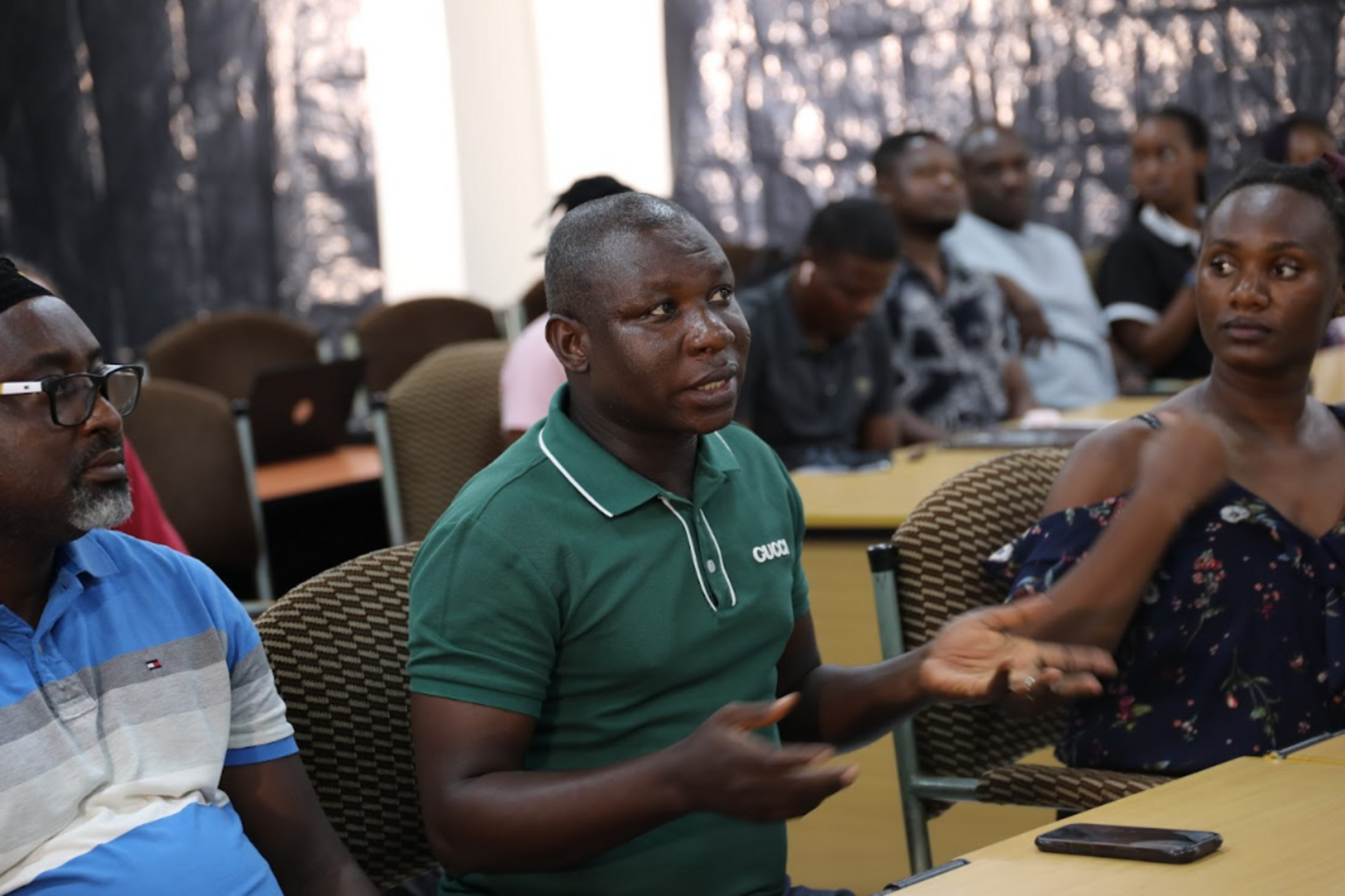
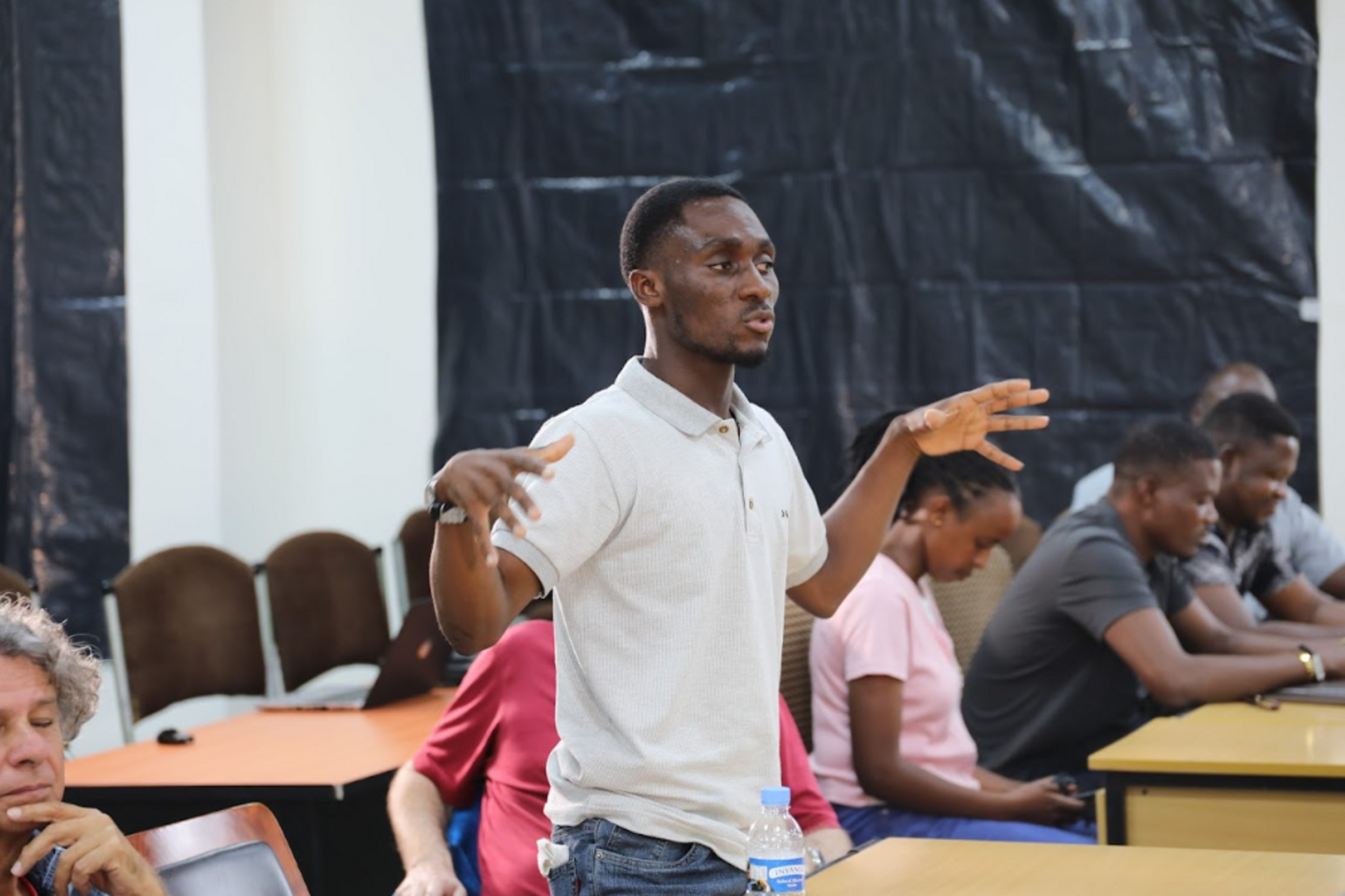
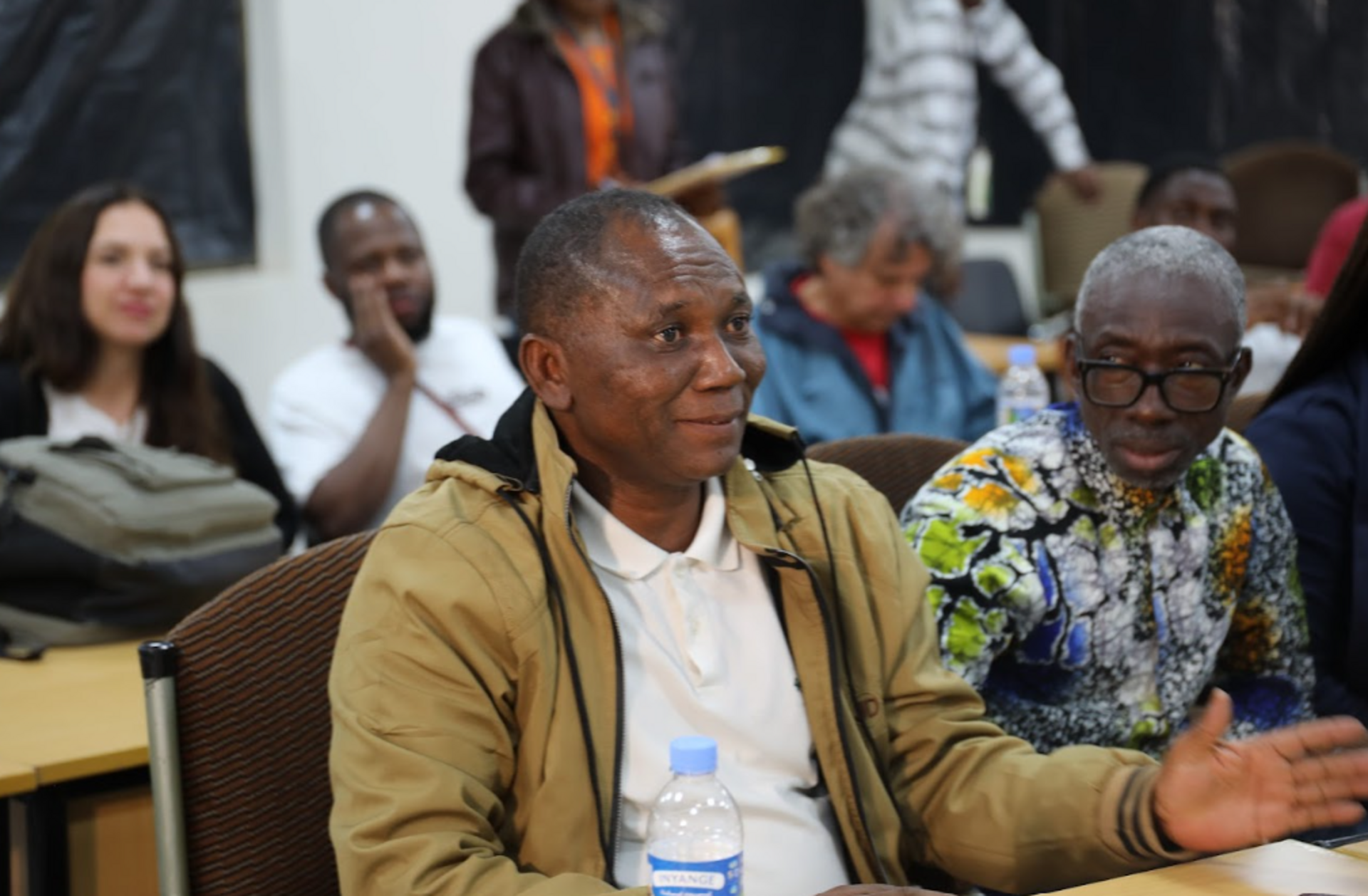
The screening generated active discussion among participants, particularly in relation to the issues highlighted in Between Walls. As noted by Prof. Boxill during the discussion, participatory video functions as a tool for community dialogue by allowing individuals to reflect collectively on shared challenges and to explore possible solutions through discussion following the screening.
Overall, the participatory video-making course introduced PUR staff and students to an innovative and conflict-sensitive approach to filmmaking that can be applied in research, teaching, and community engagement. Through the combination of theoretical instruction, practical filmmaking exercises, and collaborative reflection, the training contributed to strengthening the institutional capacity of PUR to apply participatory audiovisual methods within the framework of the CONMAT Erasmus+ project.
Voices in focus: turning experiences into powerful visual narratives at the Protestant University of Rwanda, Huye