CONMAT In-Situ Capacity Building at the University of Rwanda, 11-13 February
Field-Based Experiential Learning under the leadership of University of Rwanda
As part of the capacity-building programme, participants undertook field visits to deepen their understanding of conflict management and transformation in practice.
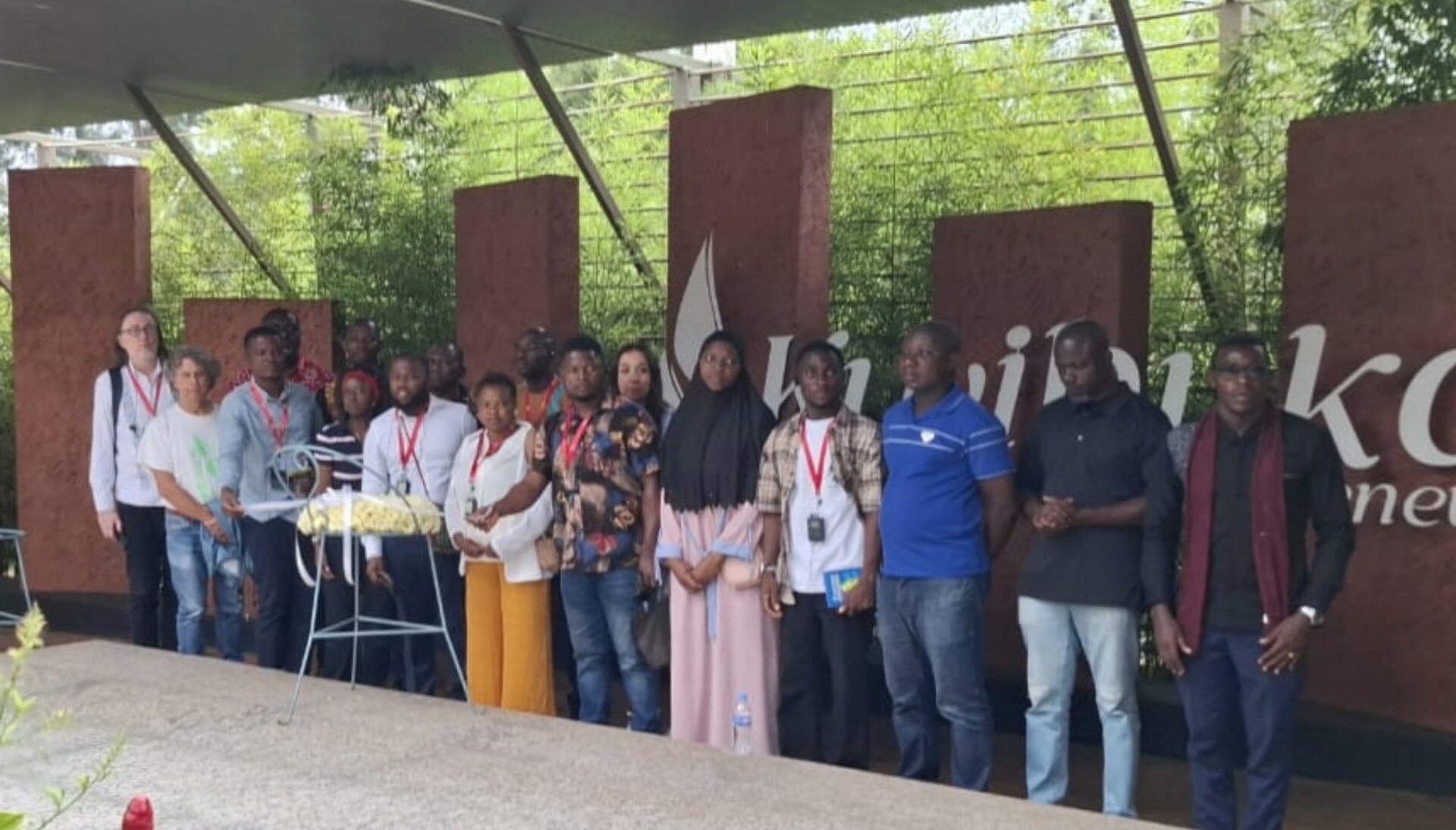
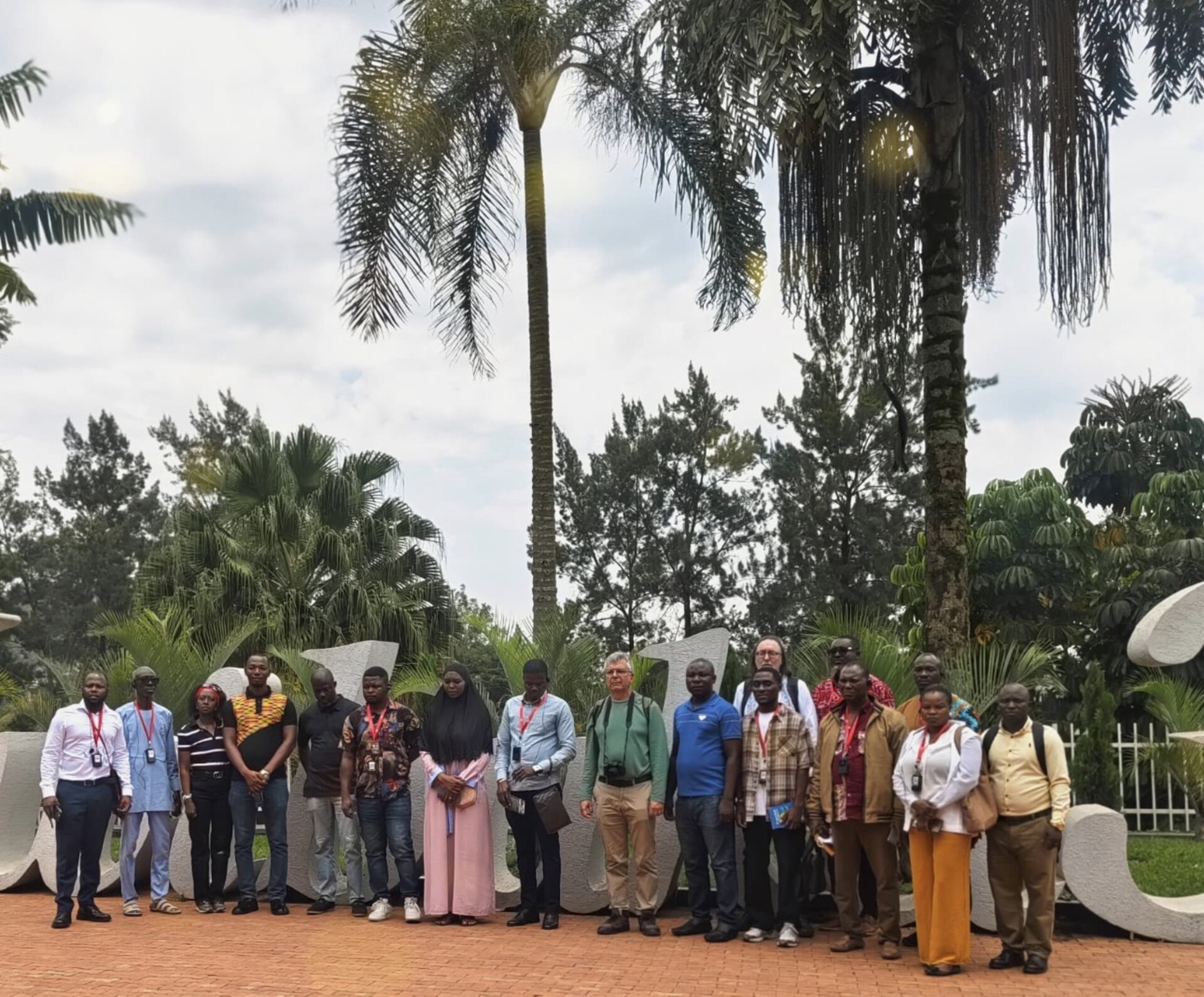
Kigali Genocide Memorial
At the Kigali Genocide Memorial, participants were confronted with one of the most devastating chapters in modern history—the 1994 genocide against the Tutsi. Through powerful exhibits and personal stories, they discovered how identity politics, propaganda, state fragility, and international inaction converged to enable mass atrocity.
But this visit was not only about understanding what happened—it was about witnessing how a nation rebuilds. Participants explored Rwanda’s remarkable journey toward healing through transitional justice, memorialisation, and reconciliation efforts. It was a moving and thought-provoking experience, inviting reflection on the power of memory, the importance of accountability, and what it takes to build a more just and resilient future.

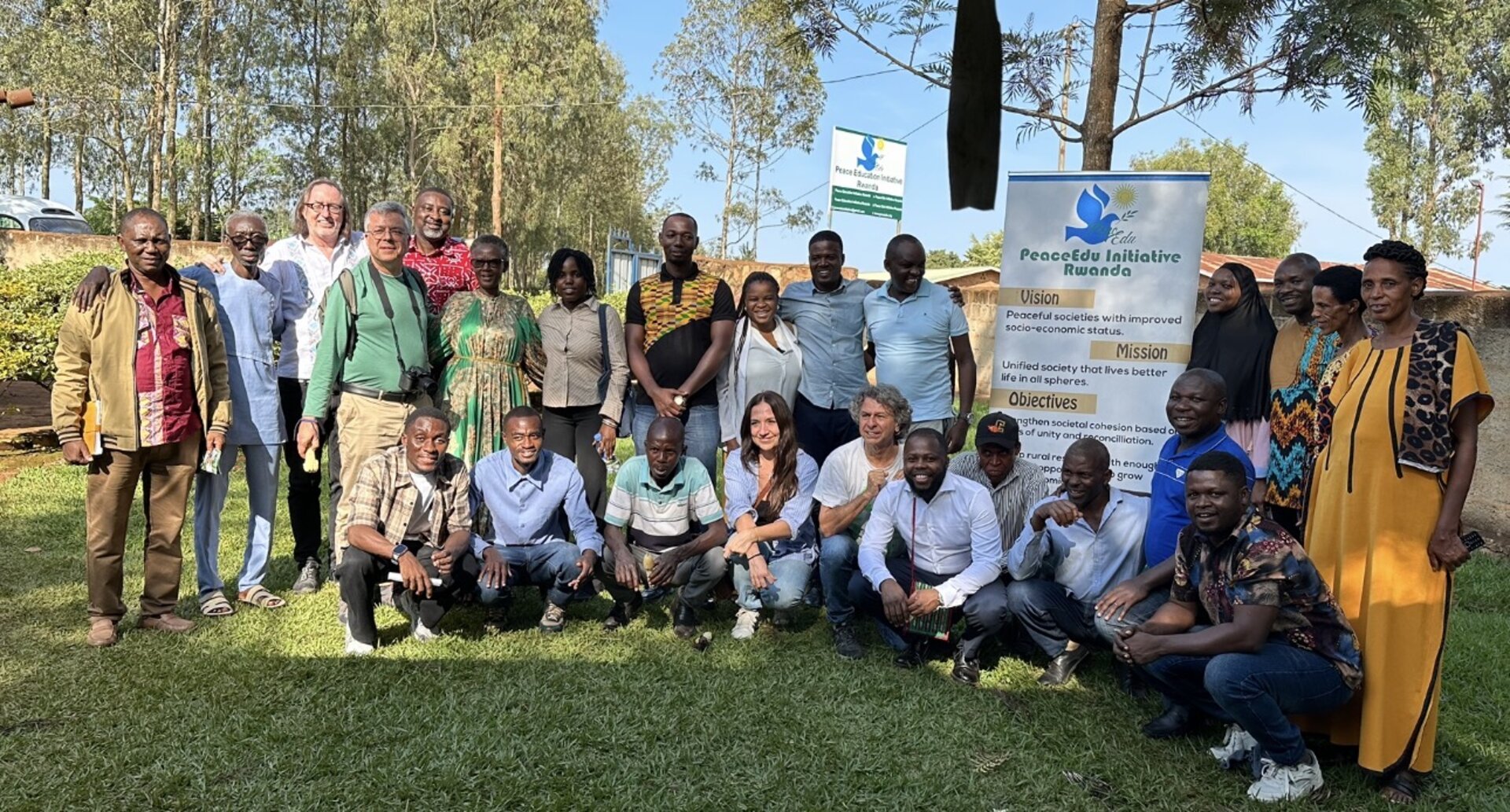
Kayonza Reconciliation Village (Kabarondo, Kayonza District)
At the Reconciliation Village in Kayonza District, participants witnessed an extraordinary story of healing in action—where survivors of the genocide and former perpetrators now live side by side. In this unique community, reconciliation is not just an idea, but a daily practice shaped through shared lives, work, and mutual commitment to peace.
Through conversations and observation, participants discovered how trust is rebuilt—through joint livelihoods, community initiatives, and open dialogue. The visit highlighted the impact of restorative justice processes such as Gacaca courts, the vital role of women and local leaders, and the influence of faith-based actors in sustaining unity. It was a powerful reminder that even after profound division, communities can come together to rebuild, reconcile, and move forward.
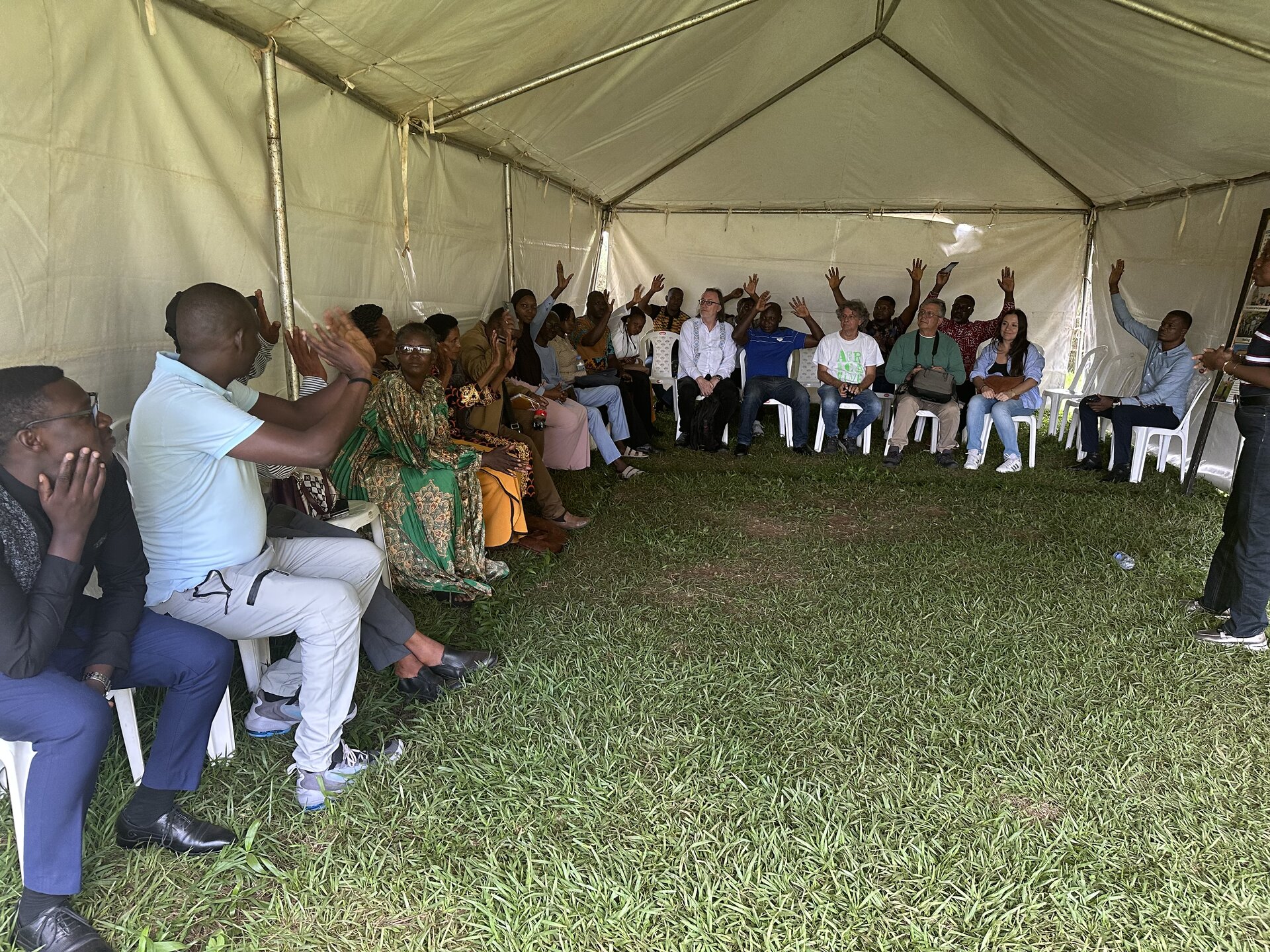
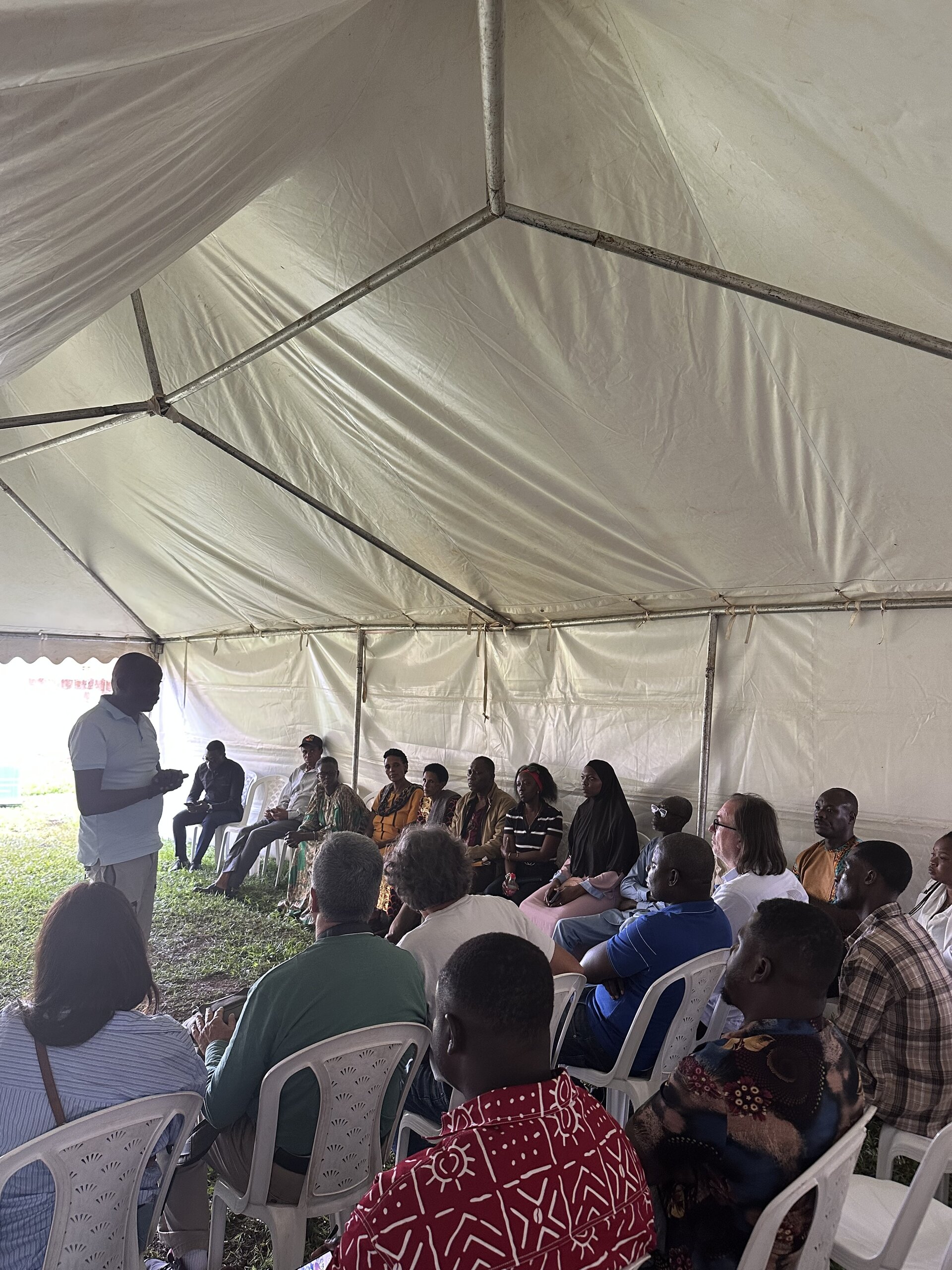

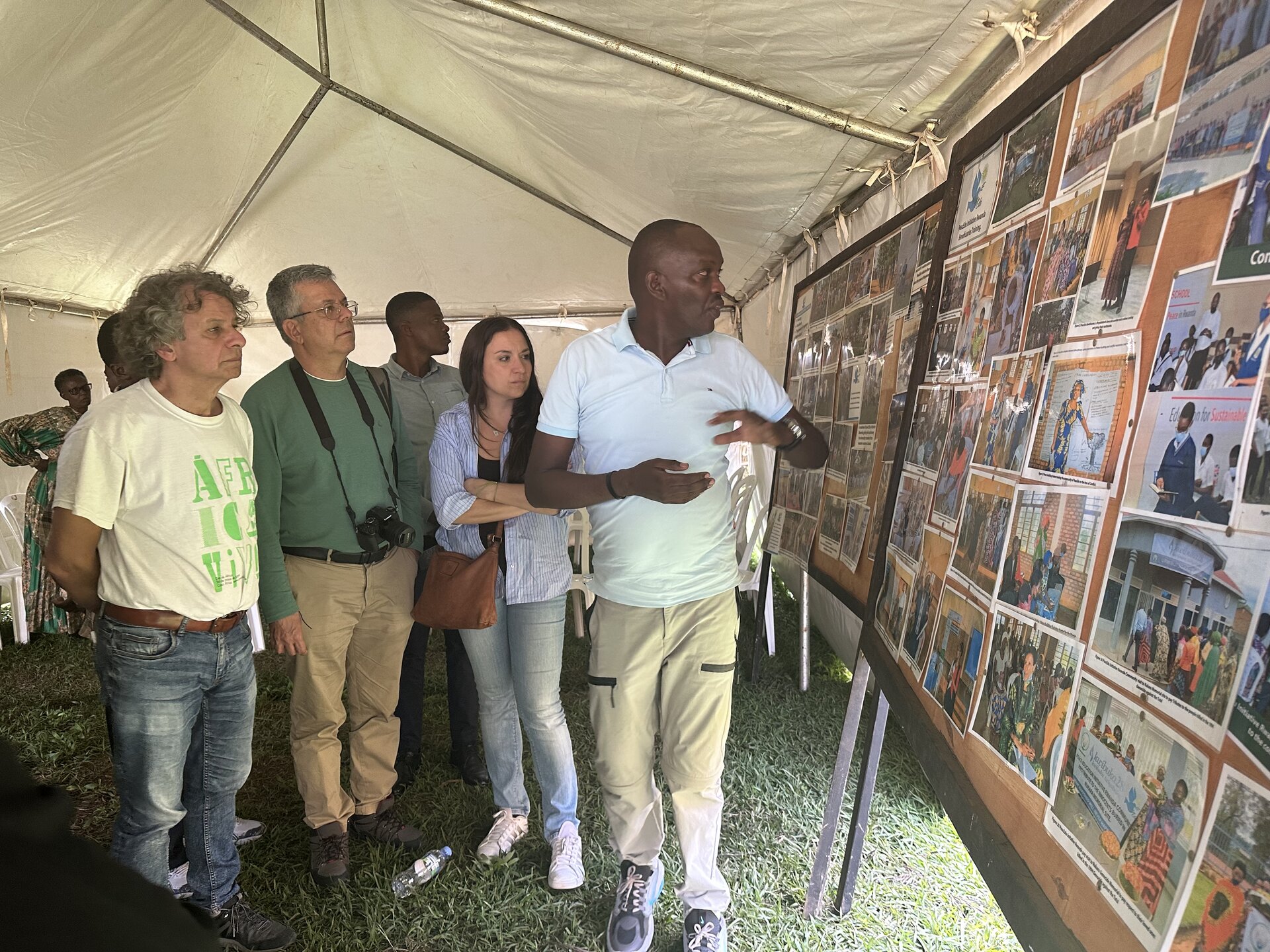
Photos from the class session. From theory to practice: real-world learning experiences


